
The story of unplugged music has always been rooted in something deeper than performance—it is about origin, construction, and the deliberate act of shaping sound by hand. That philosophy is now being elevated on a global stage as Gibson expands its 100-year celebration of flat-top acoustic guitars into a meticulously structured, four-chapter narrative that doesn’t just commemorate history—it dissects, refines, and projects it forward. For Unplugged Live, this is not simply an anniversary cycle. It is a definitive blueprint for how acoustic music continues to evolve at the highest level.
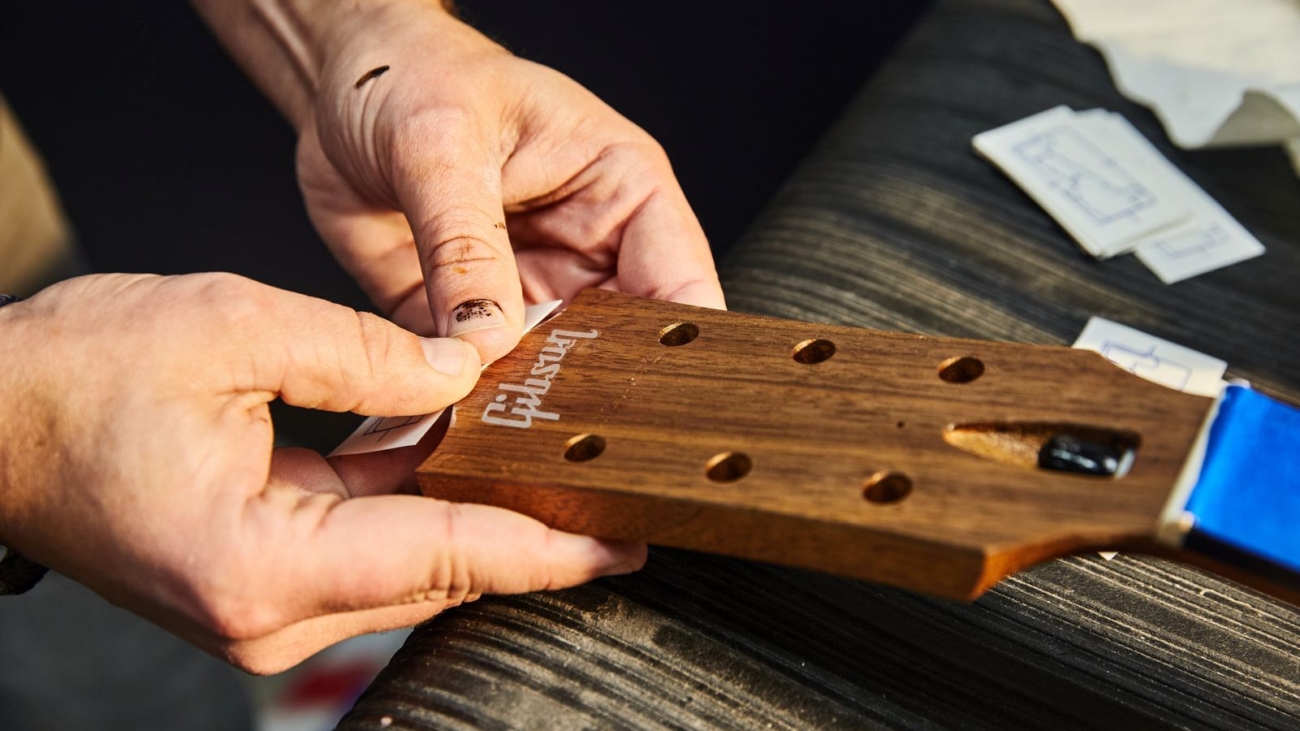
What makes this initiative particularly significant is its depth. Rather than a single commemorative release or a limited-edition drop, Gibson has constructed a year-long progression—an editorial and technical journey that moves from legacy into innovation with precision. Anchored in the company’s Bozeman, Montana craftory, where each instrument is still shaped, voiced, and assembled through hands-on expertise, the series positions acoustic craftsmanship as both heritage and forward-thinking discipline.
The opening phase, “A Century in the Making,” sets the foundation with clarity and intent. This first chapter is not a nostalgic look backward—it is a strategic framing of how Gibson flat-top acoustics became the universal language of songwriting across genres. Blues, country, folk, Americana, and rock all converge within this narrative, unified by the acoustic guitar as the central instrument of expression. At the core of this chapter is the introduction of the Century Collection, a refined series of 12-fret acoustic designs that draw directly from early 20th-century construction principles. These instruments are not retro reproductions; they are modern interpretations of minimalism, engineered to emphasize tonal balance, responsiveness, and intimacy—qualities that define the unplugged experience at its highest level.

As the timeline advances into the second chapter, “Iconic Body Shapes,” the focus sharpens on design as both function and identity. Models like the J-45 and L-00 are examined not just as instruments, but as archetypes that shaped the visual and sonic language of acoustic performance. These silhouettes became instantly recognizable not because of branding, but because of their consistency on stage, in studios, and across decades of recorded music. Their tonal characteristics—warmth, projection, articulation—were not static; they evolved alongside the demands of artists who required versatility in increasingly diverse performance environments. This chapter reframes these guitars as living designs, continuously refined to meet the changing realities of music production and live presentation.
The third phase, “A Unique Recipe,” moves beyond aesthetics and into the engineering philosophy that defines the Gibson acoustic sound. This is where the narrative becomes technical, revealing the structural DNA that differentiates these instruments from anything else in the market. Traditional dovetail neck joints, radiused tops, and carefully calibrated bracing patterns are not presented as legacy features—they are treated as essential components of tonal integrity. Each detail contributes to projection, sustain, and playability, forming a cohesive system that translates physical vibration into a distinct sonic signature. At the same time, this chapter acknowledges the role of modern innovation, particularly in pickup technology, which allows these acoustics to retain their character when amplified on contemporary stages. The balance between tradition and technology is not incidental—it is engineered.
The final chapter, “The Next 100 Years,” shifts the conversation from preservation to progression. Centered once again in Bozeman, this phase explores how player-focused design and technological refinement are shaping the future of acoustic performance. It examines how ergonomics, durability, and tonal consistency are being reimagined to meet the needs of modern artists who move fluidly between studio, stage, and digital platforms. This is where the centennial narrative becomes forward-looking, positioning Gibson not just as a steward of history, but as an active participant in defining what acoustic music will sound like in the decades ahead.

What ties these chapters together is a singular concept: the acoustic guitar as a living instrument. Not in the metaphorical sense, but in the practical reality that each design decision, each material choice, and each construction method contributes to an evolving standard. The Gibson flat-top is not fixed—it adapts, responds, and grows alongside the artists who rely on it.
The introduction of the Century Collection reinforces this philosophy with precision. Among its standout entries, the J-45 12-Fret configuration represents a subtle yet significant shift in design approach. By moving the neck joint and altering string tension dynamics, the instrument delivers a different tonal response—one that emphasizes warmth and resonance while maintaining clarity. It is a design that speaks directly to the needs of unplugged performance, where nuance and detail are not just appreciated but required.
Beyond the instruments themselves, the broader ecosystem surrounding this celebration reflects Gibson’s integrated approach to modern music culture. Through platforms like Gibson TV and physical destinations such as the Gibson Garage locations in Nashville and London, the company is creating environments where the acoustic tradition can be experienced, explored, and extended. These are not static showcases—they are active hubs for engagement, connecting players, listeners, and creators in real time.

For Unplugged Live, the implications of this four-chapter rollout are substantial. It underscores a broader shift within the music industry, where stripped-down performance is not a niche format but a central pillar of artistic expression. As audiences continue to seek authenticity and immediacy, the demand for instruments that can deliver both without compromise is only increasing. Gibson’s centennial initiative meets that demand with a level of depth and clarity that sets a new standard for how legacy brands engage with contemporary culture.
This is ultimately what makes the 100 Years of Gibson Flat-Tops celebration so impactful. It is not content—it is context. It provides a framework for understanding how acoustic music has evolved, why it continues to matter, and where it is headed next. Each chapter builds on the last, creating a comprehensive narrative that is as much about the future as it is about the past.
A century into its journey, the Gibson flat-top acoustic remains exactly what it has always been: an instrument of connection. Between artist and audience. Between tradition and innovation. Between the sound that was and the sound that is still being discovered.