1eed7dca-a8ef-4291-9eeb-997550a32241

Why 2026 Is Becoming the Biggest Year for Unplugged Music Since the MTV Era & Epiphone’s Hummingbird Tribute Brings One of Acoustic Music’s Most Enduring Legends to a New Generation of Songwriters

The most important movement in live music today is not being driven by larger stages, bigger video walls, artificial intelligence, or increasingly elaborate concert productions. Instead, it is being fueled by something far simpler and infinitely more powerful: artists picking up acoustic instruments, stripping away the noise, and allowing songs to stand on their own.

Epiphone’s Hummingbird Tribute Brings One of Acoustic Music’s Most Enduring Legends to a New Generation of Songwriters. Few acoustic guitars have achieved the level of recognition enjoyed by the Hummingbird. Long before social media, streaming platforms, and digital recording transformed the music business, the Hummingbird became a symbol of songwriting itself. It appeared in recording studios, on arena stages, in rehearsal spaces, and around kitchen tables where songs were first brought to life. It became an instrument associated not simply with performers, but with creators—artists whose careers were built on melody, storytelling, and the enduring power of an acoustic guitar.

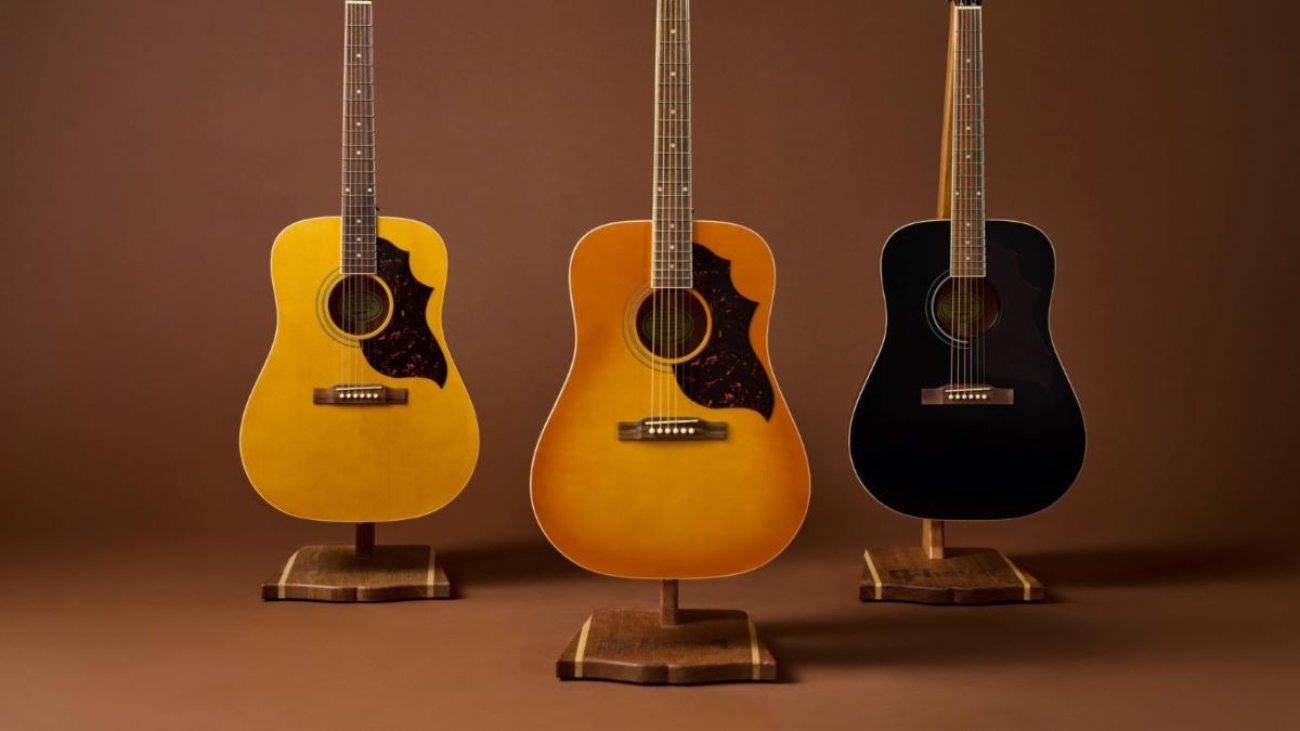
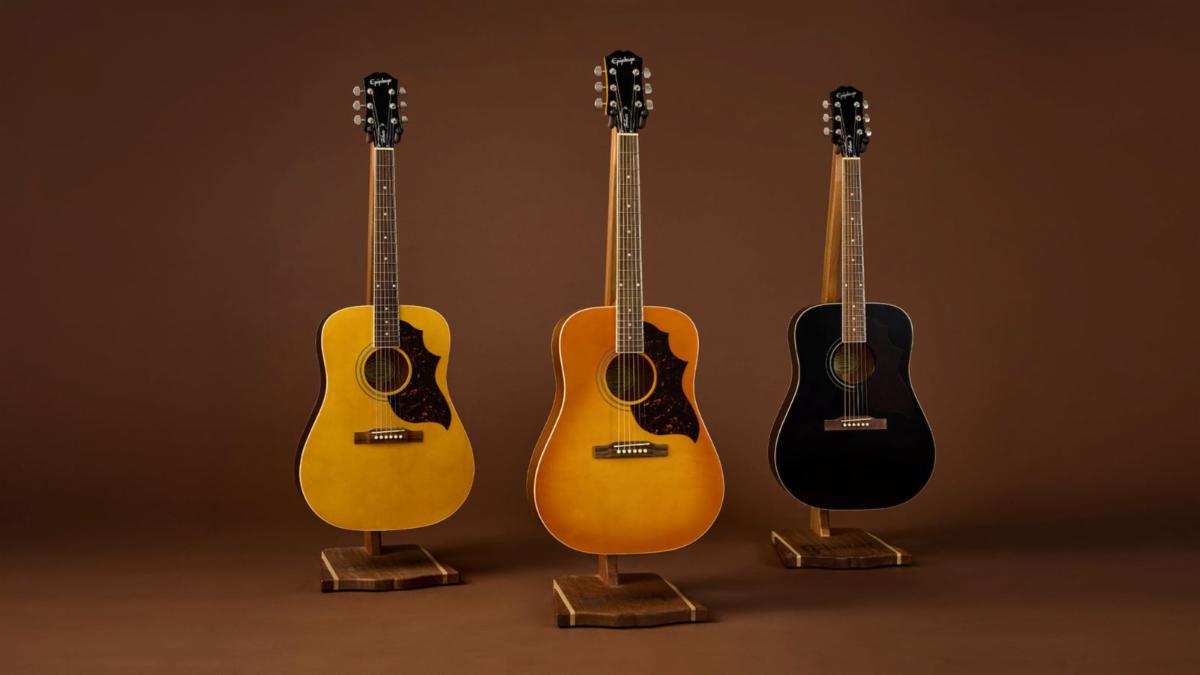
Now, Epiphone is introducing a new chapter in that legacy with the arrival of the Hummingbird Tribute, an acoustic guitar designed to honor one of the most celebrated instruments ever produced while making its character, style, and spirit accessible to a new generation of players.

For the audience that follows Unplugged Live, this release represents something larger than a new guitar launch. It reflects the continuing resurgence of acoustic performance culture and the growing demand for instruments that connect players to the traditions that helped shape modern music. At a time when singer-songwriters, folk artists, Americana performers, acoustic rock musicians, and independent creators are rediscovering the emotional power of stripped-down performance, the Hummingbird remains one of the most recognizable voices in the acoustic world.

The original Hummingbird earned its reputation not through marketing campaigns or industry hype, but through decades of real-world use by artists who trusted it as a songwriting companion and performance tool. Its distinctive square-shouldered dreadnought design became instantly recognizable, while its warm tonal response made it equally effective in intimate writing sessions and large-scale live performances.

Over the years, the instrument found its way into the hands of some of music’s most influential artists. Songwriters, rock legends, country stars, folk performers, and alternative musicians all embraced the Hummingbird because of its versatility and unmistakable character. Its sound became part of the DNA of countless recordings and live performances that continue influencing musicians today.

The new Hummingbird Tribute embraces that history while acknowledging the realities of modern players. Rather than attempting to create a museum piece, Epiphone has focused on delivering an instrument that captures the essence of the original while remaining approachable for musicians at every stage of their journey.

Visually, the guitar immediately establishes its connection to the legendary model that inspired it. The iconic square-shouldered dreadnought silhouette remains intact, preserving one of the most recognizable acoustic profiles ever designed. The shape itself has become synonymous with acoustic music, instantly evoking decades of recordings and performances that helped define popular culture.

The Hummingbird Tribute pairs a layered spruce top with layered mahogany construction, a combination that delivers warmth, balance, and consistency. The tonal character is designed to feel familiar from the first strum, offering the kind of rich, woody response that acoustic players often seek whether they are writing songs, performing live, or simply playing for enjoyment.

What makes the Hummingbird particularly important within unplugged music culture is its ability to sit naturally within a mix while still maintaining a distinct personality. Great acoustic guitars do not overwhelm a performance—they enhance it. The Hummingbird’s voice has always excelled at supporting vocals, complementing songwriting, and creating a sense of musical space that allows melodies and lyrics to breathe.

That characteristic becomes increasingly valuable in an era where acoustic performance continues gaining momentum. Audiences are gravitating toward stripped-back presentations, songwriter showcases, intimate livestreams, and unplugged sessions because they create a direct connection between artist and listener. Instruments that support that kind of communication become more important than ever.

The Hummingbird Tribute also demonstrates a strong attention to detail in its design language. Antique ivory-style binding creates a visual nod to classic craftsmanship, while the laurel reverse-belly bridge and compensated saddle reinforce the guitar’s traditional acoustic identity. The tortoise-shell-style pickguard retains the unmistakable Hummingbird aesthetic that has become one of the most recognizable visual elements in guitar history.

For many musicians, however, playability ultimately matters more than appearance. This is where the Hummingbird Tribute positions itself particularly well. The glued-in mahogany neck features a Rounded C profile designed for comfort and accessibility. Whether a player is learning their first chords, developing songwriting techniques, or performing several hours each night, the neck profile aims to provide a comfortable and familiar playing experience.

The laurel fingerboard offers a smooth playing surface with 20 frets, allowing easy movement across the instrument while maintaining a traditional acoustic feel. Classic dot inlays, vintage-inspired binding, and a Kalamazoo-style headstock further reinforce the guitar’s connection to a lineage that stretches across generations of acoustic music.

Reliability remains another important factor for modern musicians, particularly those who regularly perform live. Dependable die-cast tuners help ensure tuning stability, while subtle details such as the engraved Tribute truss rod cover create a visual connection to the instrument’s historical inspiration without becoming excessive or distracting.

The release also recognizes that today’s players value personal expression. To that end, the Hummingbird Tribute is available in three distinctive finishes: Antique Natural, Ebony, and Heritage Cherry Sunburst. Each offers a different visual interpretation of the model while preserving the timeless character that has defined the Hummingbird for decades. The Heritage Cherry Sunburst finish, perhaps the most closely associated with the instrument’s historic identity, is also available in a left-handed configuration, further expanding accessibility for players.

What makes this launch particularly relevant in 2026 is the broader context surrounding acoustic music itself. Across the industry, there is renewed enthusiasm for unplugged performance, songwriting-focused artistry, and acoustic authenticity. Artists are increasingly returning to stripped-down arrangements. Audiences are embracing intimate venues and listening-room environments. Vinyl collectors are rediscovering classic acoustic recordings. Streaming platforms are highlighting live sessions that emphasize musicianship over production.

The Hummingbird exists at the center of that movement because it represents something timeless. It is an instrument associated with songs rather than trends. It carries a legacy built on creativity, storytelling, and emotional expression rather than technological novelty.

That is why the release of the Hummingbird Tribute feels especially significant. It is not simply introducing another acoustic guitar into an already crowded marketplace. It is extending the life of an instrument that helped shape the sound of modern songwriting and placing that experience within reach of a new generation of players.

For aspiring artists, it offers a pathway into a lineage connected to some of the most influential recordings and performances in music history. For experienced musicians, it provides a familiar voice rooted in decades of acoustic tradition. And for anyone who believes that great songs begin with a guitar, a melody, and an idea worth sharing, it serves as a reminder that some instruments never lose their relevance.

As acoustic music continues its resurgence across live stages, recording studios, festivals, listening rooms, and songwriter circles around the world, the Hummingbird remains exactly what it has always been: a companion for the creative journey.

The songs may change. The artists certainly will. The audiences will continue evolving.

But the enduring relationship between a songwriter and an acoustic guitar remains one of music’s most powerful traditions, and the Epiphone Hummingbird Tribute ensures that tradition will continue inspiring musicians for years to come.

Across the music industry, 2026 is rapidly emerging as a defining year for unplugged performance. Rock legends are revisiting acoustic formats that helped shape their careers. Songwriters are reinventing catalogs through intimate arrangements. Vinyl collectors are driving renewed interest in classic live recordings. Independent artists are finding audiences through stripped-down performance videos rather than expensive promotional campaigns. Everywhere you look, the acoustic experience is once again becoming one of the most influential forces in modern music.

For Unplugged Live, this moment represents more than a trend. It reflects a fundamental shift in how audiences are connecting with music itself. Fans increasingly want performances that feel honest, immediate, and emotionally transparent. They are gravitating toward artists who can command a room with little more than a guitar, a voice, and a great song.

Few recent performances illustrate that reality more vividly than the viral moment that unfolded when Foo Fighters surprised audiences with a live performance of “Jesus Wants Me for a Sunbeam,” paying direct tribute to one of the most iconic acoustic performances in rock history.

The significance of the moment extended far beyond a simple cover song. The arrangement intentionally echoed the version made famous during Nirvana’s legendary 1993 appearance on MTV Unplugged in New York, creating an emotional bridge between two eras of rock history that remain permanently connected through the legacy of Dave Grohl.

For many fans, the performance felt like a living reminder of why the MTV Unplugged era continues holding such a powerful place in music culture. The song itself became secondary to what it represented: a return to vulnerability, musicianship, and the emotional intimacy that acoustic performance uniquely provides. Across rock communities, music forums, and social media conversations, the response was immediate. What could have been a nostalgic exercise instead became a celebration of how enduring great unplugged performances remain decades later.

At the same time, another legendary artist is proving that acoustic reinvention can still surprise audiences even after a lifetime of experimentation.

Bob Dylan has once again confounded expectations during the latest leg of his Rough and Rowdy Ways tour by embracing a predominantly acoustic approach that transforms familiar material into something entirely new. Rather than relying on established arrangements, Dylan has reportedly introduced radically reimagined versions of songs from both his recent catalog and deeper cuts that longtime fans never expected to hear revisited in this format.

What makes Dylan’s acoustic direction especially fascinating is that it reinforces one of the defining characteristics of unplugged performance: reinvention. Acoustic music is rarely about duplication. It is about rediscovery. Without the framework of full-band arrangements, songs often reveal dimensions that remained hidden for years. Melodies shift. Lyrics gain prominence. Rhythms breathe differently. Audiences hear familiar material through entirely new perspectives.

That willingness to reexamine songs continues making acoustic performance one of the most creatively fertile spaces in live music.

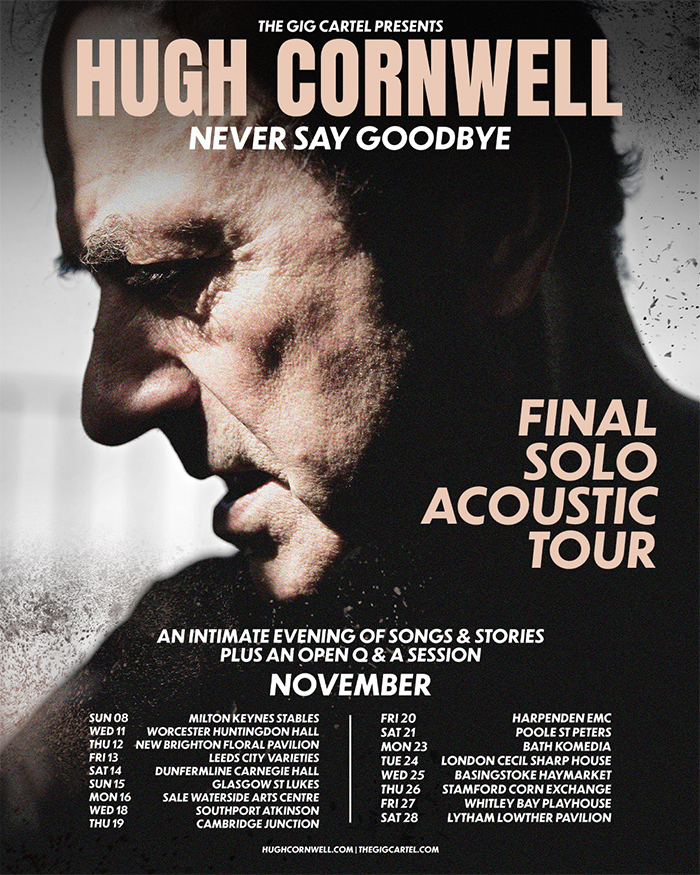
The same philosophy is driving one of the most anticipated farewell tours in recent memory. Hugh Cornwell, the former frontman of The Stranglers, has announced what is being billed as his final solo acoustic tour. Aptly titled Never Say Goodbye, the run will feature stripped-down interpretations of songs spanning decades of punk and new wave history.

What separates this tour from many farewell announcements is its intimacy. Rather than building around large-scale production, Cornwell is embracing a format centered on storytelling, audience interaction, and open discussion. The inclusion of live question-and-answer segments creates an environment where performance and conversation merge into a single experience.

That growing emphasis on audience connection has become one of the defining characteristics of the unplugged resurgence. Fans are increasingly interested in understanding the stories behind songs, not just hearing them performed.

Beyond touring, acoustic music continues generating significant momentum within the vinyl and collector communities.

The expanding Bluesville Acoustic Sound Series is one of the strongest examples. New high-fidelity analog editions of landmark blues recordings from Albert King and Eddie Kirkland demonstrate how acoustic-centered listening experiences continue attracting serious attention from collectors and audiophiles alike.

These releases are not simply archival projects. They reflect a broader movement toward intentional listening. As streaming services provide access to virtually every recording ever made, physical formats have increasingly become a destination for listeners seeking depth, quality, and immersion. Acoustic and blues recordings often benefit most from that experience because their subtleties remain central to the performance itself.

The growing interest in contemporary acoustic blues further underscores this trend. Emerging artists continue expanding the genre’s reach while maintaining its emotional core. Among the names attracting significant attention is Paul Louis Villani, whose expressive fingerstyle approach and deeply rooted acoustic sound have generated increasing recognition among critics and fans alike.

His rise illustrates another important reality about today’s acoustic movement: younger audiences are not simply rediscovering classic formats. They are actively participating in their evolution.

Perhaps the clearest evidence of the unplugged renaissance, however, can be found in the growing number of events built entirely around acoustic performance culture.

One of the most intriguing developments is the launch of UNPLUG’D, a new live production dedicated to celebrating the history and cultural impact of MTV Unplugged. Rather than functioning as a traditional tribute concert, the production combines live performance with storytelling, exploring the behind-the-scenes moments that transformed a simple television concept into one of the most influential music franchises ever created.

The format acknowledges something many fans have long understood: the true legacy of MTV Unplugged was never the staging or production. It was the atmosphere. It created a space where artists could reveal different sides of themselves, often producing career-defining performances in the process.

That spirit also lives on through independent platforms such as the rapidly growing Sugarshack Sessions movement. By filming artists in natural outdoor environments and focusing almost entirely on performance rather than production, Sugarshack has become one of the most compelling examples of how acoustic content is evolving in the digital age.

Recent performances from groups such as Sneezy demonstrate how even large ensemble acts can successfully translate their energy into intimate acoustic settings. Funk, jam, and improvisational music thrive in these environments because audiences can hear the interaction between musicians more clearly. The result feels less like content and more like a front-row seat to the creative process itself.

Taken together, these developments point toward something much larger than a temporary trend. The acoustic movement is not returning because audiences are nostalgic. It is returning because listeners increasingly value authenticity, craftsmanship, and emotional immediacy in a music industry often dominated by excess.

The artists may come from different genres. The venues may range from intimate listening rooms to major theaters. The formats may include vinyl reissues, livestream sessions, acoustic tours, or festival appearances.

attachment-neil-young3

The Unplugged Live, Acoustic Music Is Reclaiming the Center of Live Performance Culture, Neil Young, MTV Unplugged Vinyl Resurgence, Major Acoustic Tours, and South Jersey’s Growing Live Folk Scene

Something remarkable is happening across the live music landscape in 2026, and it is unfolding far away from pyrotechnics, backing tracks, algorithm-driven singles, and hyper-produced spectacle. Acoustic music is not simply resurging—it is reasserting itself as one of the most culturally powerful forces in modern performance. From surprise appearances by legendary artists to sold-out theater tours, vinyl revivals, intimate songwriter showcases, and stripped-down festival sets, the unplugged format is experiencing a level of momentum that feels both nostalgic and entirely new at the same time.

For Unplugged Live, this moment represents far more than a passing cycle in the industry. It signals a broader recalibration of audience priorities. Listeners are increasingly gravitating toward performances that feel immediate, vulnerable, and human. The appetite for stripped-back arrangements and emotionally transparent songwriting continues growing because audiences want connection again. They want to hear voices breathe. They want imperfections. They want storytelling. They want performances that feel lived-in instead of engineered.

No recent moment captures that shift more powerfully than the unexpected return of Neil Young.

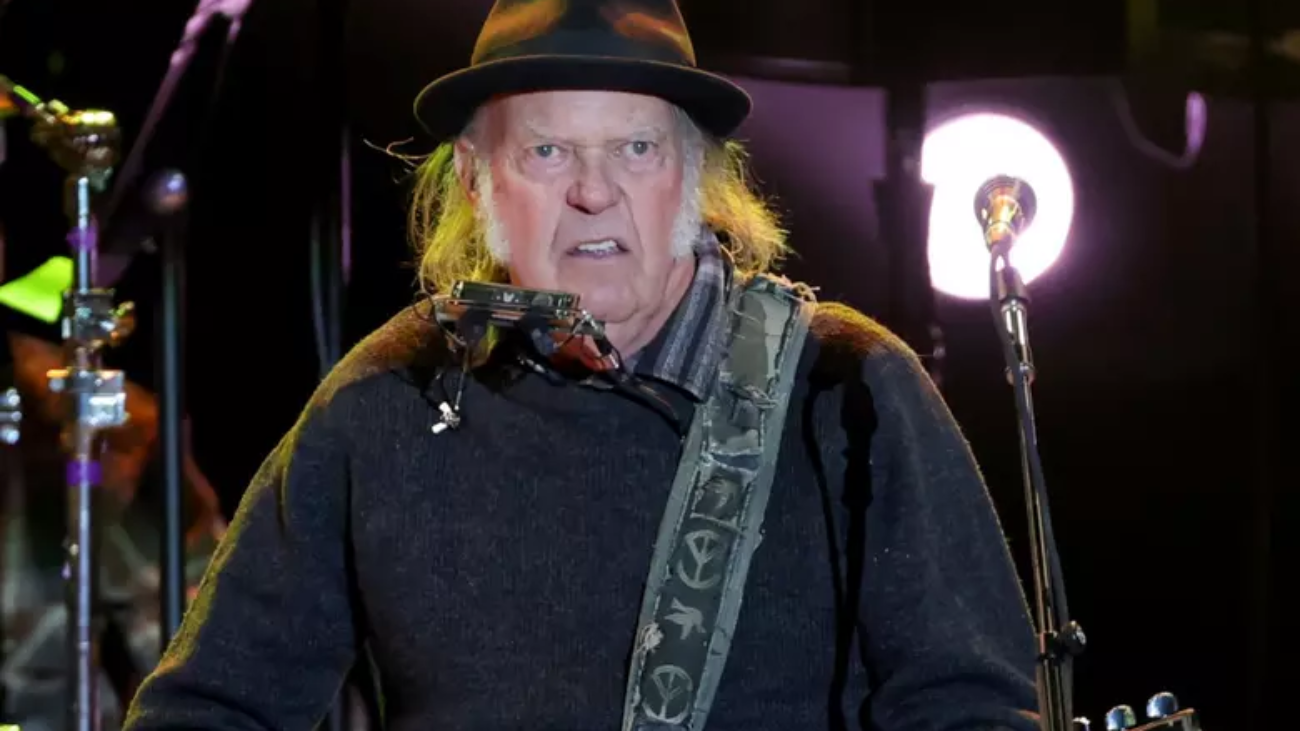
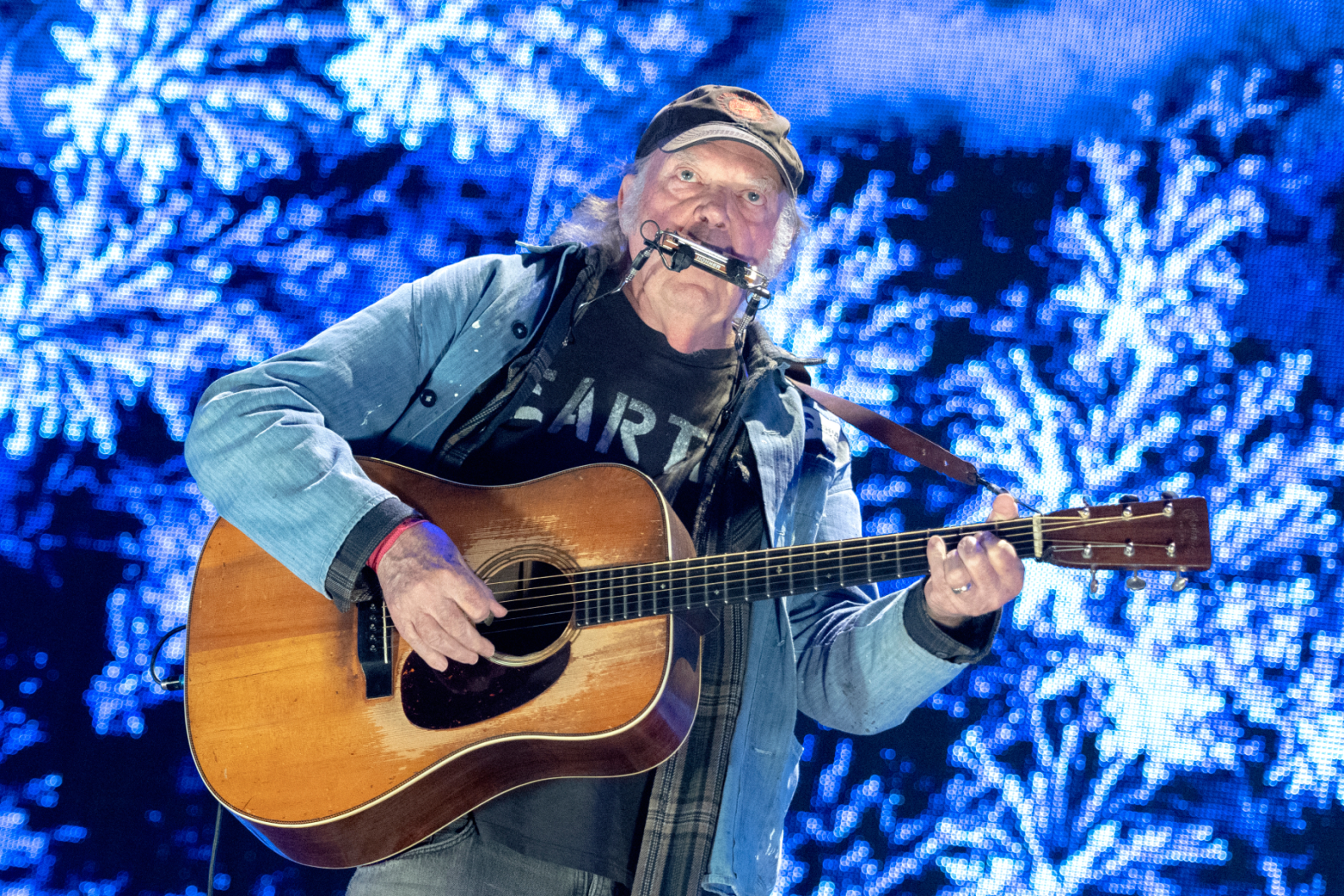
After earlier cancelations sidelined his planned 2026 live appearances, Young quietly re-emerged on May 22 with a completely acoustic performance during environmental activist David Suzuki’s 90th birthday celebration in Vancouver. There was no oversized production rollout. No carefully manufactured comeback campaign. No visual excess competing with the music itself. Sitting behind piano and acoustic guitar, Young delivered raw versions of “After the Gold Rush” and “Heart of Gold” that reminded audiences why stripped-down performance continues carrying such emotional weight decades after those songs first entered the cultural bloodstream.

What made the appearance resonate so strongly was not merely the rarity of the performance—it was the atmosphere surrounding it. Acoustic music changes the relationship between audience and artist because it removes distance. Without volume and spectacle acting as intermediaries, songs land differently. Lyrics feel more exposed. Melodies feel more fragile. Time itself seems to slow down.

That same philosophy is now driving a major wave of acoustic-centered touring across multiple generations and genres.

Jack Johnson recently announced his expansive “Surfilmusic” tour, a global acoustic-focused run that further reinforces how singer-songwriter-driven performance remains commercially and culturally vital. The inclusion of Hermanos Gutiérrez as special guests is especially significant because it highlights another important evolution within acoustic music itself: instrumental storytelling is once again thriving. Their atmospheric guitar interplay, cinematic textures, and deeply organic arrangements perfectly complement Johnson’s laid-back but emotionally resonant performance style.

The tour’s routing through iconic venues such as the Hollywood Bowl underscores how large-scale outdoor performance spaces are increasingly embracing acoustic-centered experiences. That shift would have seemed commercially risky in another era, but today audiences are actively seeking immersive, emotionally grounded live environments that prioritize musicality over excess.

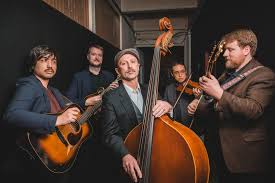
At the same time, groups like Punch Brothers continue demonstrating how technically advanced acoustic instrumentation can thrive within contemporary touring culture. Their 2026 tour has become one of the year’s most respected live acoustic runs, blending progressive bluegrass, chamber music precision, jazz complexity, and improvisational energy into performances that challenge assumptions about what acoustic music can accomplish structurally and emotionally.

Their upcoming appearance at Mayo Performing Arts Center is generating particular excitement throughout the Northeast live music scene because it represents the growing appetite for serious acoustic musicianship in theater and performing arts environments. Audiences are not simply attending these performances casually—they are actively engaging with the craft itself.

That same intimacy drives the continued rise of artists like Flagship Romance, whose extensive acoustic tour across listening rooms and smaller venues reflects another major trend currently shaping the unplugged world: audiences increasingly value closeness over scale. Folk clubs, songwriter spaces, and acoustically tuned venues are experiencing renewed importance because they allow performances to unfold conversationally rather than competitively.

This broader resurgence is not confined solely to current touring culture. Classic unplugged recordings themselves are experiencing remarkable new life through physical media revivals and vinyl reissues.

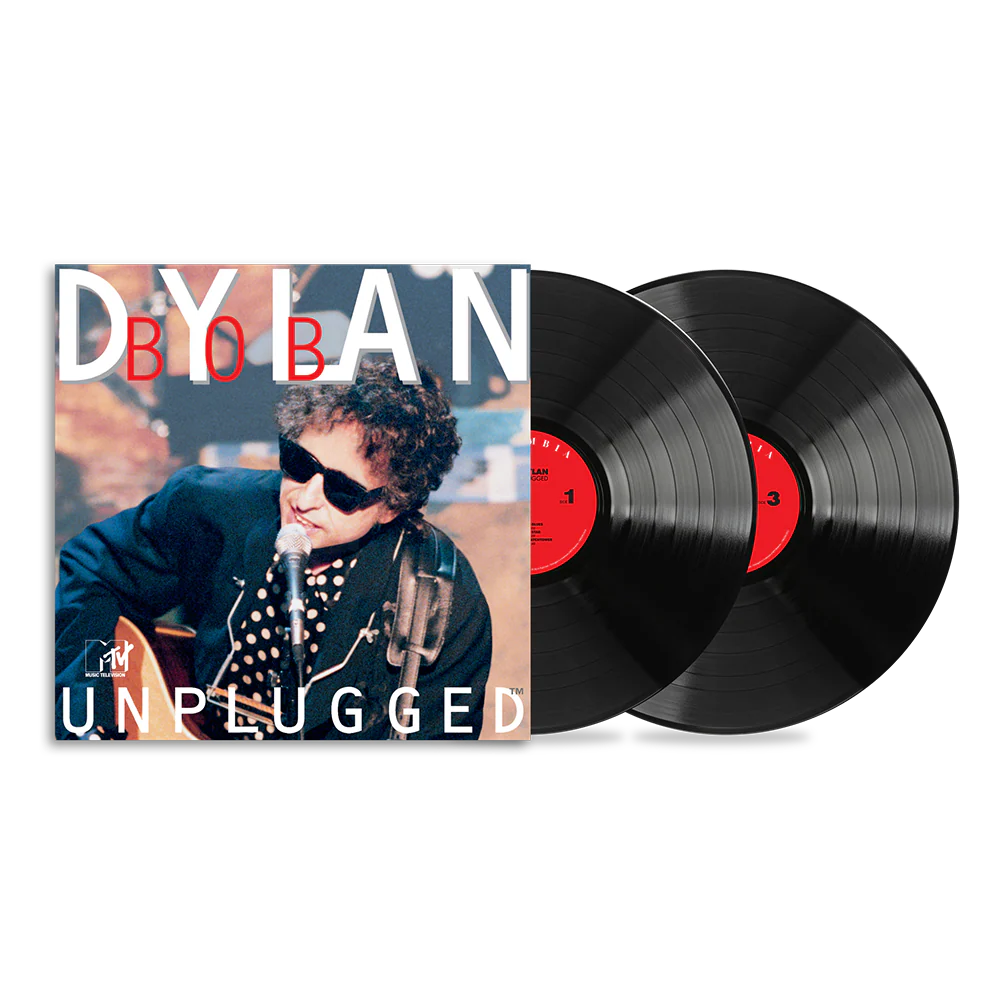
One of the most fascinating examples arrived through Bob Dylan’s legendary MTV Unplugged release, which unexpectedly surged back onto major United Kingdom charts three decades after its original recording. The renewed popularity of the album reveals something important about today’s listening habits: audiences are rediscovering acoustic recordings not merely as nostalgia pieces, but as timeless documents of performance authenticity.

The album’s reemergence across vinyl and physical album rankings also reflects the growing overlap between acoustic culture and collector culture. Vinyl listeners increasingly gravitate toward unplugged recordings because the format itself complements the intimacy and warmth associated with stripped-down music. Acoustic albums feel tactile. Personal. Intentional. In many ways, they represent the opposite of disposable digital listening culture.

That same phenomenon helped fuel renewed interest in Tony Bennett’s celebrated MTV Unplugged session, which recently returned through a highly sought-after double-LP reissue tied to Record Store Day celebrations. Bennett’s performance remains one of the definitive examples of how acoustic presentation can transcend genre entirely. Jazz, pop standards, and vocal performance all converged within a stripped-down environment that emphasized phrasing, musicianship, and emotional clarity above everything else.

The renewed success of these releases reinforces a larger reality: unplugged music is aging extraordinarily well because authenticity itself never becomes outdated.

That momentum is also becoming increasingly visible on regional and local levels, particularly throughout areas like South Jersey, where acoustic-driven live performance continues thriving in bars, outdoor spaces, and community-centered venues.

Artists such as Dave Cudrak continue building strong regional followings through energetic acoustic sets that blend roots rock, stripped-down classics, and original material into highly interactive live experiences. His upcoming performance at Dunleavy’s highlights how acoustic music remains deeply woven into local nightlife culture across New Jersey.

Likewise, Chris Greiner’s scheduled outdoor performance at Shipman Mansion reflects another growing movement within acoustic performance culture: outdoor community concerts built around atmosphere, songwriting, and connection rather than commercial spectacle.

These regional performances matter because they represent the foundation beneath the larger unplugged resurgence. Acoustic music has always thrived locally before it expands globally. It begins in listening rooms, small theaters, outdoor lawns, coffeehouses, and community venues before moving outward into larger cultural consciousness.

What makes this current moment particularly fascinating is how all these worlds are now intersecting simultaneously. Legacy icons are returning to stripped-down performance. Younger artists are building careers through acoustic authenticity. Vinyl collectors are rediscovering classic unplugged sessions. Regional venues are embracing songwriter-driven programming again. Streaming audiences are increasingly seeking intimate live sessions over hyper-produced visual content.

The result is not simply an acoustic revival.

It is a recalibration of what audiences value in live music itself.

The industry spent years pursuing scale, speed, and digital saturation. But increasingly, listeners are rediscovering something much older and much more durable: a voice, an instrument, and a room willing to listen carefully.

That remains the true power of unplugged music. It strips performance back to the essentials and asks a very simple question: does the song still matter when everything else disappears?

Right now, across every level of the music world, the answer appears to be yes.

9120dad5-733a-4098-9a57-f06ef63044e3

Epiphone’s Lee Seung Yoon LSY-200 Studio EC Signals a New Global Era for Acoustic Performance

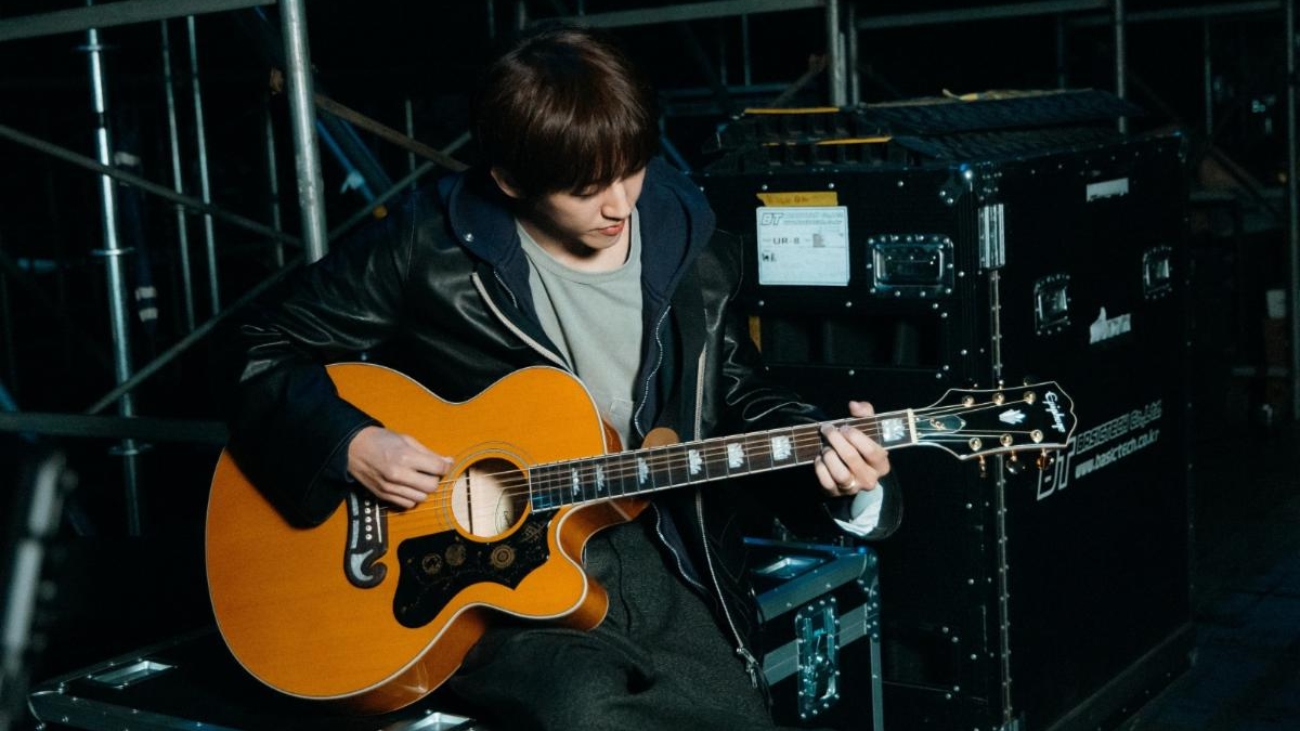
The future of unplugged music is no longer confined to Nashville, London, Los Angeles, or New York. It is expanding outward, crossing languages, genres, continents, and cultural expectations with remarkable speed, and one of the clearest examples of that evolution is now arriving through Epiphone’s newest signature acoustic release. The debut of the Lee Seung Yoon LSY-200 Studio EC is far more than a product announcement—it is a defining cultural moment for modern acoustic music, reflecting how global songwriting, live performance, and artist identity are reshaping the entire acoustic landscape.

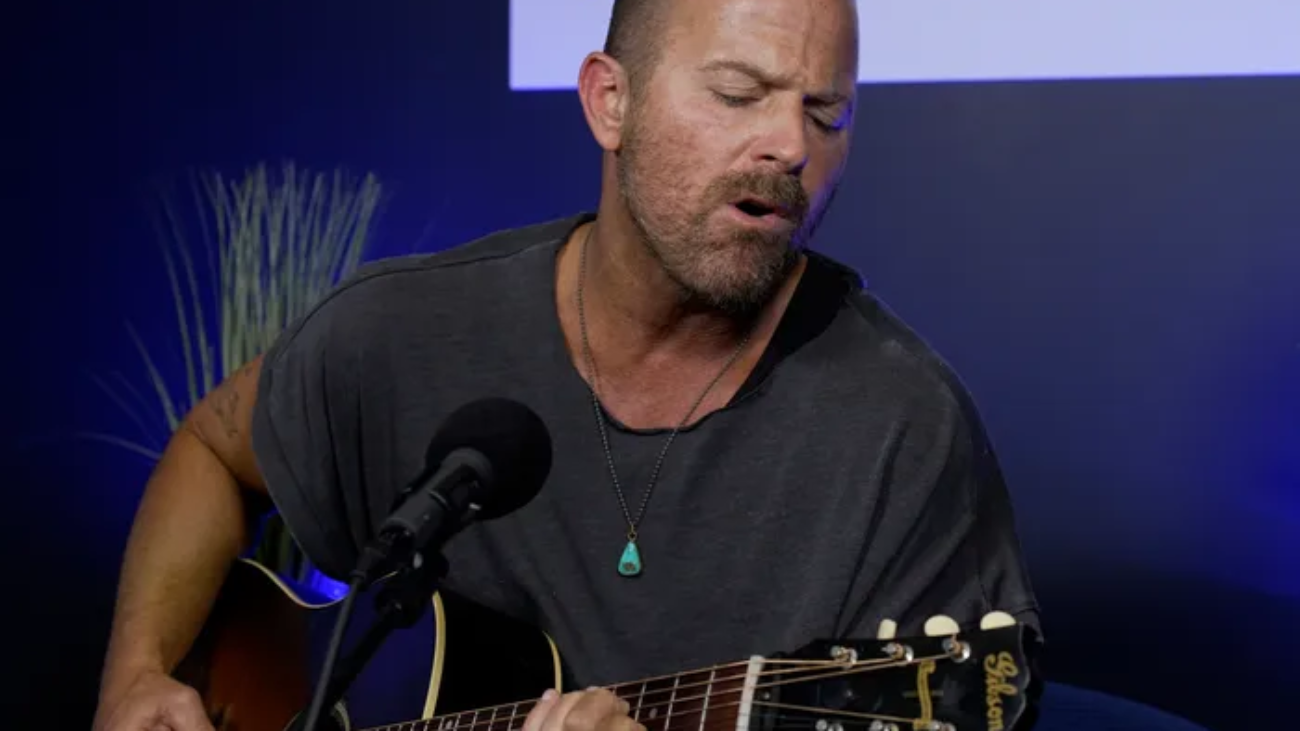
With the addition of Lee Seung Yoon to its international artist roster, Epiphone is making a statement that reaches beyond hardware and branding. Lee becomes the company’s first Korean signature artist, signaling a broader recognition of the extraordinary influence Korean musicians now hold across the worldwide live music ecosystem. More importantly, the release reinforces how unplugged and acoustic-centered performance has become a universal language capable of transcending geography and genre entirely.

For Unplugged Live, this release arrives at a particularly important moment. The modern acoustic movement is no longer defined solely by traditional folk or singer-songwriter circles. Contemporary unplugged music now exists at the intersection of indie rock, alternative pop, punk energy, cinematic songwriting, and emotionally charged live performance. Lee Seung Yoon embodies all of those dynamics simultaneously, making him an especially fitting artist for a signature acoustic instrument designed around the realities of modern performance culture.

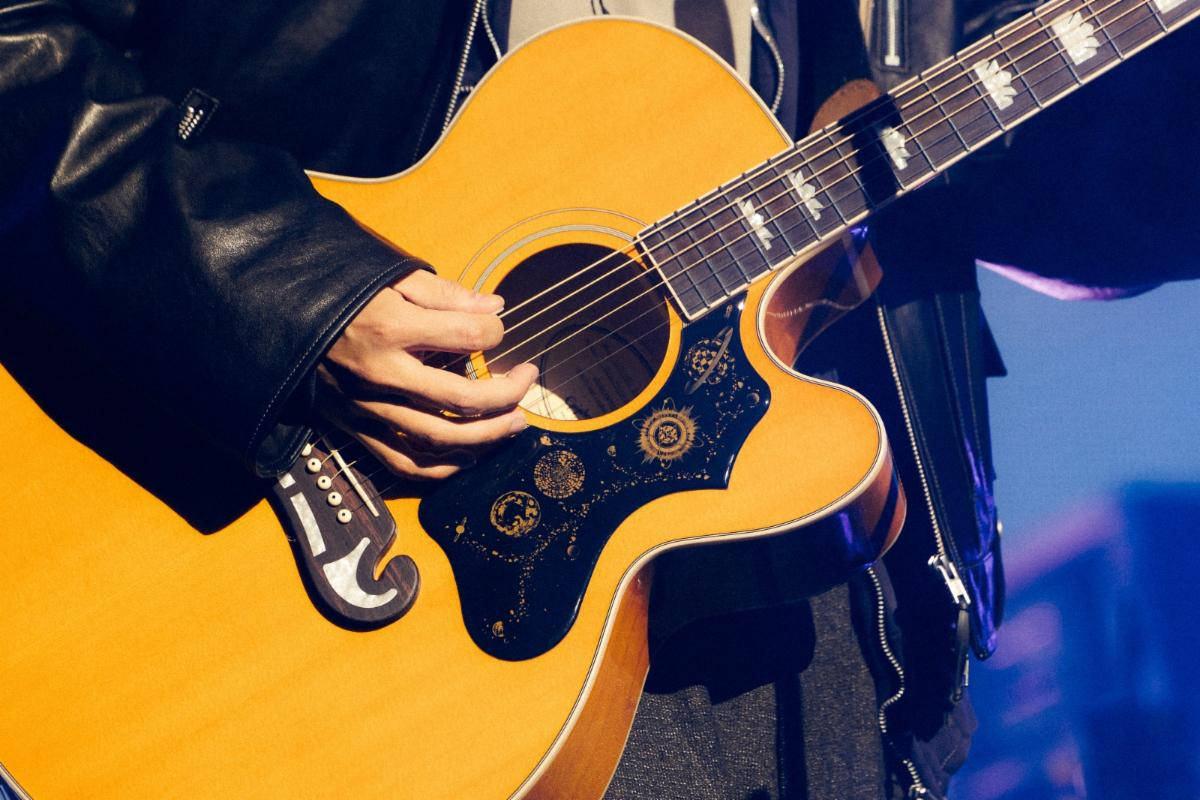
Built on the foundation of the legendary J-200 platform, the new LSY-200 Studio EC reflects a fascinating collision of heritage craftsmanship and contemporary identity. The guitar retains the commanding silhouette and expansive tonal response associated with the iconic Super Jumbo lineage while introducing artist-specific details that give the instrument its own distinct personality. This is not a cosmetic collaboration—it is a carefully considered acoustic-electric built around the performance style and artistic language of the musician attached to it.

That distinction matters because the J-200 itself occupies a uniquely important place in acoustic history. For decades, the Super Jumbo design has represented scale, projection, and presence. Its oversized body shape became synonymous with artists who needed an acoustic instrument capable of commanding large stages without sacrificing tonal richness. The LSY-200 Studio EC modernizes that legacy through a performance-oriented framework aimed squarely at today’s touring and recording realities.

Visually, the instrument balances classic Gibson-inspired aesthetics with contemporary refinement. The Antique Natural gloss finish paired with layered maple construction and a solid spruce top creates a striking but understated visual presence that feels equally suited for intimate acoustic performances and large-scale festival stages. The cutaway body design also reflects the modern shift toward versatility, allowing greater upper-fret access for players who blur the lines between traditional acoustic playing and more technically expressive styles.

The finer details reveal just how deeply personalized the instrument truly is. A custom artist-designed pickguard featuring gold artwork immediately differentiates the guitar from traditional J-200 derivatives, while the subtle rear headstock signature graphic adds a quieter layer of individuality that avoids overwhelming the instrument’s broader aesthetic identity. Gold hardware and Grover Rotomatic tuners further elevate the visual profile, giving the guitar a polished stage-ready appearance without drifting into excess.

Yet what ultimately defines the instrument is not appearance—it is usability. The LSY-200 Studio EC is engineered for contemporary musicians who move fluidly between songwriting sessions, live stages, rehearsals, and studio environments. Equipped with Fishman S-Core electronics and Presys II controls, the guitar is designed to maintain tonal consistency in amplified settings while preserving the warmth and resonance expected from a Super Jumbo acoustic. In today’s performance climate, where acoustic artists regularly alternate between intimate venues and major festival systems, that reliability is essential.

Lee Seung Yoon’s artistic trajectory makes this partnership particularly compelling. Since rising to national prominence after winning Sing Again in 2021, he has steadily built a reputation as one of South Korea’s most dynamic live performers. His music refuses easy categorization, pulling from indie rock, folk, alternative pop, and emotionally expansive songwriting traditions to create a sound that feels deeply personal while remaining arena-capable.

Albums like Even If Things Fall Apart and YEOK SEONG established his range not simply as a vocalist, but as a writer capable of balancing introspection with explosive live energy. That duality became even more pronounced through projects like PunKanon, which expanded his sonic identity into more aggressive and punk-driven territory without abandoning the emotional core that defines his work.

What makes Lee particularly important within the unplugged conversation is his relationship with live performance itself. His reputation has not been built solely through studio production or streaming success—it has been forged on stage. Whether performing in intimate settings or commanding massive festival crowds, there is an immediacy to his performances that aligns naturally with the traditions of acoustic storytelling and stripped-down expression.

That connection was reinforced through appearances at major events like the Incheon Pentaport Rock Festival and his headlining performance at THE GLOW 2026 inside KINTEX, one of South Korea’s largest live music venues. These performances demonstrated not only his growing popularity, but his ability to bridge the emotional intimacy of singer-songwriter performance with the energy and scale of modern rock presentation.

The significance of this collaboration also extends beyond the artist himself. Epiphone’s decision to launch initial distribution across South Korea, Japan, Taiwan, and Thailand reflects the increasingly vital role Asia plays in shaping the future of global music culture. Acoustic performance and songwriter-driven live music continue experiencing enormous growth throughout the region, fueled by audiences seeking authenticity, emotional depth, and musicianship over spectacle.

That shift aligns perfectly with the broader resurgence of unplugged music worldwide. Across streaming platforms, live-session formats, and touring circuits, stripped-down performance has become one of the industry’s most trusted indicators of artistic credibility. Audiences increasingly want to hear songs without excessive production filters. They want to experience artists in environments where nuance, phrasing, and emotional delivery matter more than visual excess.

The LSY-200 Studio EC arrives directly within that cultural moment.

For Epiphone, the release also reinforces the company’s evolving position within the acoustic world. Long associated with accessibility and player-first instrument design, the brand has increasingly expanded its identity through collaborations that bridge legacy craftsmanship with emerging global talent. The company’s history stretches back more than 150 years, touching nearly every era of modern music evolution, from jazz-age innovation to British Invasion rock and contemporary alternative culture.

That historical depth gives releases like the LSY-200 Studio EC additional weight because they are not isolated marketing exercises—they are extensions of a larger musical lineage. Artists from The Beatles to Oasis helped define previous eras of guitar culture through Epiphone instruments. Lee Seung Yoon’s addition to that lineage reflects where acoustic music is headed next.

Ultimately, this release is about more than one artist or one instrument. It represents the globalization of unplugged culture itself. Acoustic music is no longer confined by geography or industry tradition. It is evolving into a worldwide movement driven by artists who understand that emotional truth translates regardless of language.

The stage may look different now. The audiences may span continents. The genres may continue blending into entirely new forms.

But the core remains the same.

A songwriter. A guitar. A performance stripped down to its emotional foundation.

And increasingly, artists like Lee Seung Yoon are showing the world exactly where that future is headed next.

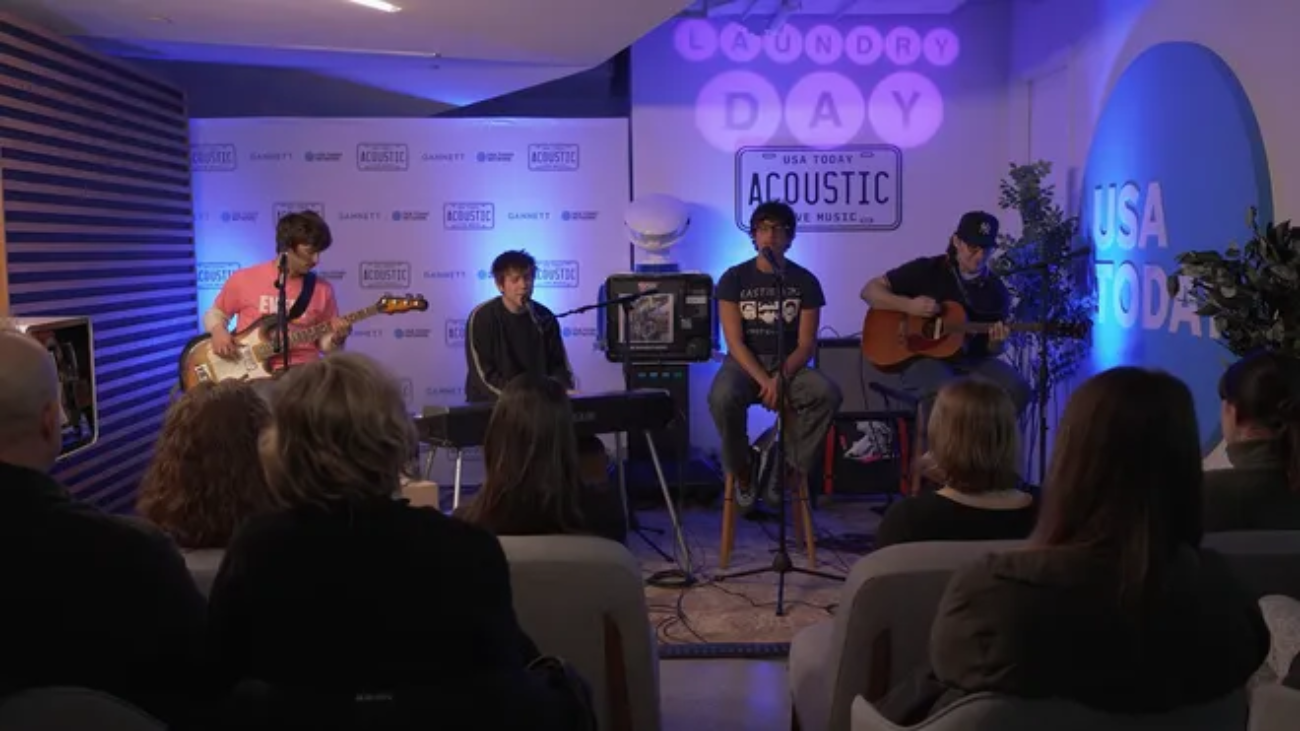
81172593007-20250304-spcl-acoustic-laundry-day-full-concert-you-tube-00-04-18-09-still-001

USA TODAY Acoustic Is Quietly Building One of the Most Important New Platforms for Unplugged Music

At a time when the music industry continues chasing scale, spectacle, algorithms, and increasingly manufactured virality, something far more grounded has started gaining momentum behind the scenes. It is stripped-down, intimate, performance-driven, and artist-focused. More importantly, it understands something many modern music platforms have forgotten: when the production disappears, the truth of an artist is impossible to hide.

That philosophy now sits at the center of the rapidly growing USA TODAY Acoustic series, a developing live-performance platform that is steadily becoming one of the most compelling destinations for unplugged music in the United States. What began in early 2025 as a relatively understated editorial music initiative has evolved into a serious showcase for both emerging artists and established performers looking to reconnect audiences with the raw core of their music.

The series is quickly carving out its own identity in a live-performance landscape increasingly dominated by polished livestreams, social-media snippets, and overproduced digital content. Rather than chasing spectacle, USA TODAY Acoustic leans into atmosphere, musicianship, songwriting, and conversation. The result feels less like promotional content and more like documentation—capturing artists in a form that reveals who they actually are when there is nowhere to hide behind studio layering or arena-scale production.

That distinction matters.

The modern resurgence of unplugged performance has been one of the most fascinating shifts in contemporary music culture. Audiences have become increasingly drawn toward stripped-back sessions, intimate acoustic recordings, and emotionally direct performances that feel authentic rather than engineered. In many ways, USA TODAY Acoustic arrives at the perfect moment, tapping directly into a growing demand for music experiences built around vulnerability, craftsmanship, and connection.

The latest installments in the series demonstrate exactly why the format is resonating so strongly.

Rising country artist Jackson Dean recently delivered one of the strongest performances yet featured within the series, performing selections from his new album Magnolia Sage in an intimate unplugged environment that emphasized the depth and texture of his songwriting. Without the weight of full-band production, Dean’s voice carried a different kind of authority—gravelly, dynamic, and emotionally immediate. Tracks like “Make A Liar” gained additional dimension in the stripped-back setting, allowing subtle phrasing and lyrical tension to come forward in ways that amplified arrangements often conceal.

The performance also reinforced one of the defining strengths of acoustic presentation itself: it changes the relationship between artist and audience. Songs stop feeling like products and start feeling like conversations. In an industry where many younger artists are introduced through viral clips and fragmented digital impressions, sessions like these provide something much more revealing. They allow listeners to understand not just what an artist sounds like, but why they matter.

Equally compelling was the appearance from Nell Simmons, whose USA TODAY Acoustic session showcased the emotional depth behind her debut single “Therapy.” Known to many viewers through her appearance on The Voice, Simmons used the unplugged format to move beyond television exposure and establish a more personal artistic identity. Her accompanying interview revealed a particularly fascinating narrative—an album journey that began nearly two decades earlier before finally reaching completion.

That kind of storytelling is precisely what gives the series its weight. The performances are important, but the surrounding context elevates them into something more substantial. USA TODAY Acoustic is positioning itself not simply as a live music platform, but as a documentarian of artistic development. It captures artists in transition, artists rebuilding, artists emerging, and artists rediscovering themselves through stripped-down performance.

Since launching with Laundry Day in March 2025, the series has steadily expanded both stylistically and culturally. Artists like Lola Kirke brought an Americana-infused introspection to the platform with performances drawn from Trailblazer, while The Castellows helped further establish the series’ growing reputation within the country and roots-music communities. Meanwhile, Caroline Jones—widely recognized for her work with Zac Brown Band—demonstrated how artists already accustomed to massive stages can still create deeply personal moments within scaled-down environments.

What makes the platform especially interesting is its visual and environmental approach. Filmed primarily inside USA TODAY spaces in places like New York City and Nashville, the sessions intentionally avoid the artificial aesthetic often associated with corporate music content. The settings feel grounded and human. Newsrooms, offices, creative spaces, and editorial environments become temporary stages, creating an atmosphere that feels immediate rather than manufactured.

That visual identity aligns naturally with the current evolution of unplugged culture overall. Across the industry, artists are increasingly prioritizing intimacy over excess. Acoustic tours, stripped-down anniversary performances, songwriter circles, and live-session recordings continue gaining traction because audiences are searching for experiences that feel emotionally credible. In many ways, the acoustic format has become a corrective response to years of hyper-polished digital music culture.

For emerging artists especially, the value of these sessions cannot be overstated. A strong unplugged performance can often accomplish more than an expensive marketing rollout because it establishes credibility instantly. Listeners can hear the songwriting. They can hear imperfections. They can hear conviction. Acoustic performance has always functioned as one of music’s great equalizers because it exposes the essential foundation beneath the production.

That truth explains why acoustic series have historically become so culturally important. From the golden era of MTV Unplugged to modern digital-session formats, audiences consistently gravitate toward performances that feel honest and immediate. USA TODAY Acoustic is tapping directly into that lineage while simultaneously modernizing it for a new generation of listeners consuming music across streaming platforms, social media ecosystems, and digital editorial spaces.

What is becoming increasingly clear is that the series is no longer just an experimental content initiative. It is evolving into a legitimate archive of contemporary acoustic performance at a time when the industry desperately needs one. The sessions preserve artists at specific moments in their creative development, documenting not just songs but artistic identity itself.

For Unplugged Live, the rise of USA TODAY Acoustic reflects something much larger happening throughout the live music ecosystem. Acoustic performance is no longer being treated as secondary content or promotional filler. It is once again becoming central to how artists establish legitimacy, deepen fan relationships, and create lasting musical moments.

The stripped-down performance is returning to prominence because audiences are rediscovering something fundamental: authenticity sounds different. It breathes differently. It lingers longer.

And increasingly, platforms like USA TODAY Acoustic are proving that some of the most important performances happening in music right now are also the quietest.

1

A Century in the Making, Four Chapters Deep: Inside Gibson’s Expansive Vision for the Future of Unplugged Sound

The story of unplugged music has always been rooted in something deeper than performance—it is about origin, construction, and the deliberate act of shaping sound by hand. That philosophy is now being elevated on a global stage as Gibson expands its 100-year celebration of flat-top acoustic guitars into a meticulously structured, four-chapter narrative that doesn’t just commemorate history—it dissects, refines, and projects it forward. For Unplugged Live, this is not simply an anniversary cycle. It is a definitive blueprint for how acoustic music continues to evolve at the highest level.

What makes this initiative particularly significant is its depth. Rather than a single commemorative release or a limited-edition drop, Gibson has constructed a year-long progression—an editorial and technical journey that moves from legacy into innovation with precision. Anchored in the company’s Bozeman, Montana craftory, where each instrument is still shaped, voiced, and assembled through hands-on expertise, the series positions acoustic craftsmanship as both heritage and forward-thinking discipline.

The opening phase, “A Century in the Making,” sets the foundation with clarity and intent. This first chapter is not a nostalgic look backward—it is a strategic framing of how Gibson flat-top acoustics became the universal language of songwriting across genres. Blues, country, folk, Americana, and rock all converge within this narrative, unified by the acoustic guitar as the central instrument of expression. At the core of this chapter is the introduction of the Century Collection, a refined series of 12-fret acoustic designs that draw directly from early 20th-century construction principles. These instruments are not retro reproductions; they are modern interpretations of minimalism, engineered to emphasize tonal balance, responsiveness, and intimacy—qualities that define the unplugged experience at its highest level.

As the timeline advances into the second chapter, “Iconic Body Shapes,” the focus sharpens on design as both function and identity. Models like the J-45 and L-00 are examined not just as instruments, but as archetypes that shaped the visual and sonic language of acoustic performance. These silhouettes became instantly recognizable not because of branding, but because of their consistency on stage, in studios, and across decades of recorded music. Their tonal characteristics—warmth, projection, articulation—were not static; they evolved alongside the demands of artists who required versatility in increasingly diverse performance environments. This chapter reframes these guitars as living designs, continuously refined to meet the changing realities of music production and live presentation.

The third phase, “A Unique Recipe,” moves beyond aesthetics and into the engineering philosophy that defines the Gibson acoustic sound. This is where the narrative becomes technical, revealing the structural DNA that differentiates these instruments from anything else in the market. Traditional dovetail neck joints, radiused tops, and carefully calibrated bracing patterns are not presented as legacy features—they are treated as essential components of tonal integrity. Each detail contributes to projection, sustain, and playability, forming a cohesive system that translates physical vibration into a distinct sonic signature. At the same time, this chapter acknowledges the role of modern innovation, particularly in pickup technology, which allows these acoustics to retain their character when amplified on contemporary stages. The balance between tradition and technology is not incidental—it is engineered.

The final chapter, “The Next 100 Years,” shifts the conversation from preservation to progression. Centered once again in Bozeman, this phase explores how player-focused design and technological refinement are shaping the future of acoustic performance. It examines how ergonomics, durability, and tonal consistency are being reimagined to meet the needs of modern artists who move fluidly between studio, stage, and digital platforms. This is where the centennial narrative becomes forward-looking, positioning Gibson not just as a steward of history, but as an active participant in defining what acoustic music will sound like in the decades ahead.

What ties these chapters together is a singular concept: the acoustic guitar as a living instrument. Not in the metaphorical sense, but in the practical reality that each design decision, each material choice, and each construction method contributes to an evolving standard. The Gibson flat-top is not fixed—it adapts, responds, and grows alongside the artists who rely on it.

The introduction of the Century Collection reinforces this philosophy with precision. Among its standout entries, the J-45 12-Fret configuration represents a subtle yet significant shift in design approach. By moving the neck joint and altering string tension dynamics, the instrument delivers a different tonal response—one that emphasizes warmth and resonance while maintaining clarity. It is a design that speaks directly to the needs of unplugged performance, where nuance and detail are not just appreciated but required.

Beyond the instruments themselves, the broader ecosystem surrounding this celebration reflects Gibson’s integrated approach to modern music culture. Through platforms like Gibson TV and physical destinations such as the Gibson Garage locations in Nashville and London, the company is creating environments where the acoustic tradition can be experienced, explored, and extended. These are not static showcases—they are active hubs for engagement, connecting players, listeners, and creators in real time.

For Unplugged Live, the implications of this four-chapter rollout are substantial. It underscores a broader shift within the music industry, where stripped-down performance is not a niche format but a central pillar of artistic expression. As audiences continue to seek authenticity and immediacy, the demand for instruments that can deliver both without compromise is only increasing. Gibson’s centennial initiative meets that demand with a level of depth and clarity that sets a new standard for how legacy brands engage with contemporary culture.

This is ultimately what makes the 100 Years of Gibson Flat-Tops celebration so impactful. It is not content—it is context. It provides a framework for understanding how acoustic music has evolved, why it continues to matter, and where it is headed next. Each chapter builds on the last, creating a comprehensive narrative that is as much about the future as it is about the past.

A century into its journey, the Gibson flat-top acoustic remains exactly what it has always been: an instrument of connection. Between artist and audience. Between tradition and innovation. Between the sound that was and the sound that is still being discovered.

0050c5ba-8a84-44e2-9e4e-bf317b065a67

A Century in the Making: Gibson’s 100-Year Acoustic Legacy Redefines the Sound of Unplugged Music

There are few constants in the evolution of live music, but one remains undeniable: when everything is stripped away, it is the acoustic guitar that carries the weight of the moment. That truth sits at the heart of a landmark celebration now unfolding across the global music landscape, as Gibson marks a full century of flat-top acoustic innovation with a sweeping, year-long tribute that doesn’t just look back—it reasserts the foundation of what unplugged performance truly means.

This milestone, officially unveiled from Nashville, signals far more than an anniversary. It is a definitive acknowledgment that the sound of modern music—across genres, generations, and geographies—has been shaped, defined, and continuously reimagined through the unmistakable voice of Gibson flat-top acoustics. From front porch songwriting sessions to arena-filling performances, these instruments have not simply accompanied artists; they have enabled entire movements.

The 100 Years of Gibson Flat-Tops initiative unfolds as a multi-chapter narrative, structured to trace the lineage of acoustic craftsmanship while spotlighting the players, builders, and cultural moments that transformed wood and wire into something enduring. At its core is a philosophy that resonates deeply with the ethos of Unplugged Live: authenticity is not a trend, it is the standard. And for a century, Gibson’s flat-top guitars have been the instruments through which that standard is realized.

The origins of this legacy trace back to a pivotal moment in 1926, when Gibson introduced its first flat-top model, a design evolution that would quietly ignite a seismic shift in music history. What began as a structural adaptation—repurposing an archtop body concept into a flat-top format—became the blueprint for entirely new sonic territories. Blues found a new voice. Country music gained its backbone. Folk, bluegrass, and Americana emerged not just as genres, but as cultural identities rooted in acoustic expression.

Today, those foundational innovations live on through an iconic lineup that remains instantly recognizable to musicians and audiences alike. Instruments such as the J-45™, L-00, SJ-200™, Hummingbird™, Southern Jumbo, and Dove™ are not merely products; they are reference points in the timeline of recorded and live music. Each model carries its own tonal signature, its own history of recordings and performances, and its own role in shaping the sound of generations.

What elevates this centennial beyond a retrospective is the living, breathing craftsmanship behind it. For over four decades, Gibson’s acoustic division has been anchored in Bozeman, where a dedicated team of luthiers continues to build each instrument with a blend of traditional technique and modern precision. Under expansive Montana skies, these guitars are not mass-produced commodities—they are individually realized instruments designed to resonate across lifetimes. The continuity between past and present is deliberate, ensuring that every new guitar feels connected to the lineage that precedes it.

This emotional continuity is central to why Gibson flat-tops remain so deeply embedded in the DNA of unplugged performance. For many, the connection begins long before the first chord is played. It starts with discovery—a guitar found in a family home, a sound heard through a vintage recording, a moment on television that sparks curiosity. These instruments carry memory, and in doing so, they create it. They are as much about storytelling as they are about sound.

The centennial celebration brings that storytelling into focus through a series of curated releases and experiences. A new wave of instruments, introduced as part of the Century Collection, represents both homage and forward momentum. First previewed at the NAMM Show, these guitars are designed to reflect the evolution of acoustic performance while maintaining the tonal integrity that defines the Gibson identity. They are not reinventions—they are refinements, built for a new generation of artists who will carry the acoustic tradition forward.

Complementing these releases is a multimedia rollout that deepens the narrative. Through Gibson TV, the first installment of the centennial series brings together artists and voices that embody the spirit of the acoustic tradition. Narrated by Emmylou Harris, the series bridges eras and genres, connecting the pioneers who defined the sound with the emerging talents who are reshaping it. Appearances from artists like Brett Tomberlin and Syd Taylor reinforce the continuity of influence, demonstrating that the acoustic guitar remains a central force in contemporary songwriting and performance.

For the Unplugged Live audience, this moment lands with particular significance. The resurgence of interest in acoustic performance—across streaming platforms, live sessions, and intimate venue experiences—mirrors the very principles that Gibson has championed for a century. In an era defined by digital production and sonic layering, the stripped-down format continues to offer something irreplaceable: clarity, immediacy, and connection.

That is the enduring power of the flat-top acoustic guitar. It does not rely on amplification to command attention. It does not require spectacle to create impact. It exists in the space between artist and listener, translating emotion into sound with a directness that remains unmatched.

As this centennial unfolds, it does more than celebrate the past—it establishes a framework for the future of unplugged music. The next generation of artists will inherit not just instruments, but a philosophy: that the most powerful performances are often the simplest, and that within that simplicity lies infinite possibility.

One hundred years in, Gibson’s flat-top legacy stands not as a closed chapter, but as an open invitation. The instruments are ready. The stage—whether it’s a front porch, a studio, or a global platform—is waiting. And the next century of unplugged music is already beginning to take shape.

Screenshot 2026-04-27 124531

MTV Unplugged Returns in Full, Paramount+ Unlocks the Definitive Acoustic Archive That Redefined Live Music – Listen on Unplugged Live

There are moments in music history when the noise falls away and what remains is something far more powerful than volume or spectacle. The recent expansion of the MTV Unplugged catalog on Paramount+ is not simply a content update—it is a restoration of one of the most culturally significant live performance archives ever assembled. With more than 100 episodes now available, spanning the show’s most influential years, this release reintroduces a generation-defining format that transformed how audiences experience artists at their most exposed, most human, and most creatively unfiltered.

Originally launched under the MTV Unplugged banner, the series became a proving ground where musicians stripped away production layers and leaned entirely on musicianship, arrangement, and emotional delivery. The newly expanded library focuses heavily on what had long been considered “lost” or inaccessible performances—episodes from the 1990s that had quietly slipped out of circulation for decades. Now, for the first time in over 20 years, these sessions return in a cohesive, curated form that underscores just how essential Unplugged remains to the evolution of live music.

At the center of this revival are landmark performances that didn’t just define the series—they reshaped entire careers. The 1993 session from Nirvana stands as perhaps the most iconic entry in the archive. Recorded just months before the death of Kurt Cobain, the performance diverged sharply from expectations. Instead of leaning on mainstream hits, the setlist drew from deep cuts and covers, creating an atmosphere that felt less like a television taping and more like an intimate wake. Its rawness, vulnerability, and haunting tone elevated it into something closer to a historical document than a concert.

Equally transformative is the 1992 session from Eric Clapton, now presented in an enhanced edition that revisits the performance with remastered visuals and previously unreleased material. Clapton’s acoustic reinvention of his own catalog—particularly the reimagining of “Layla”—shifted the industry’s understanding of how legacy artists could reinterpret their work. The expanded release deepens that narrative, offering a more complete look at the creative recalibration that defined that era of his career.

The inclusion of Mariah Carey’s 1992 appearance captures a different kind of breakthrough. Known for vocal precision and studio polish, Carey used the Unplugged stage to dismantle any lingering doubts about her live capabilities. Her rendition of “I’ll Be There” didn’t just resonate—it became a cultural moment that reinforced her position as one of the defining voices of her generation. Similarly, the 1996 session from Oasis remains one of the most talked-about performances in the show’s history, not for its polish but for its unpredictability. With Liam Gallagher notably absent from the stage and observing from the audience, Noel Gallagher carried the performance alone, creating a tension that has since become part of the band’s mythology.

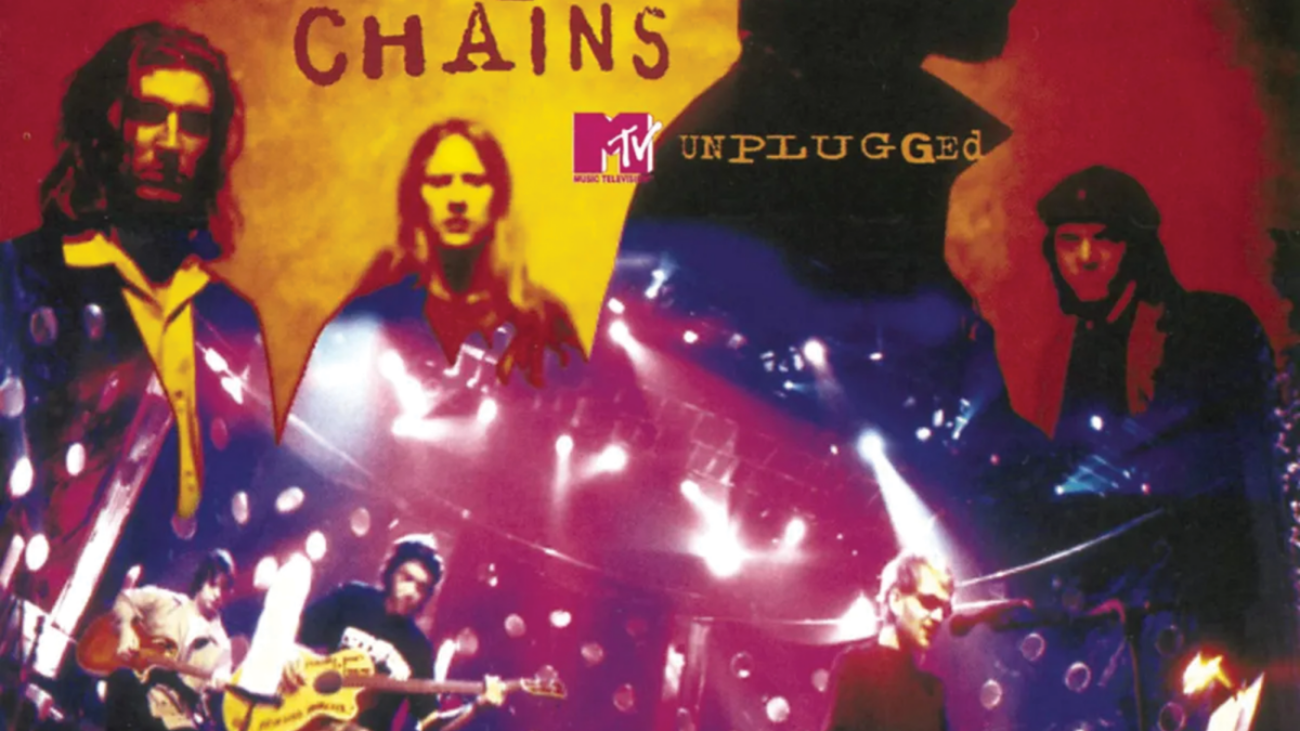
What elevates this expansion beyond nostalgia is its breadth. The restored catalog spans Seasons 1 through 8 and picks up again from Seasons 10 through 13, effectively reconstructing the most influential era of the series. Within that framework lies a cross-section of genres that reflects the diversity of the 1990s music landscape. The alternative and grunge movement is represented through pivotal sessions from Pearl Jam and Alice in Chains, each translating the intensity of their amplified sound into stripped-down arrangements that revealed new emotional dimensions. Meanwhile, Alanis Morissette’s appearance captures the introspective edge of late-90s alternative pop, emphasizing lyrical clarity over production density.

The archive also reaches back to foundational performances that helped establish the Unplugged identity. Early sessions from Paul McCartney, Bob Dylan, and Elton John demonstrate how veteran artists embraced the format as an opportunity to reconnect with the core of their songwriting. These are not novelty performances—they are recalibrations, moments where decades of musical evolution are distilled into something immediate and tangible. Appearances from Tony Bennett and Shakira further expand the scope, bridging generations and styles in a way that feels remarkably cohesive.

Beyond Unplugged, the expansion strategically integrates two complementary franchises that extend the same philosophy of intimacy and storytelling. The addition of VH1 Storytellers introduces performances where narrative takes center stage, with artists like Bruce Springsteen and David Bowie unpacking the origins and meanings behind their work in real time. These sessions function as both performance and documentation, offering insight into the creative process that traditional concerts rarely provide. Meanwhile, CMT Crossroads pushes the format into collaborative territory, pairing artists across genres in ways that challenge conventional boundaries. The interplay between Sheryl Crow and Willie Nelson, or Stevie Nicks alongside Lady A, exemplifies how stripped-down arrangements can serve as a bridge between musical worlds.

What emerges from this comprehensive rollout is a redefinition of what a live performance archive can be in the streaming era. Rather than presenting isolated highlights, Paramount+ has effectively reconstructed an ecosystem—a living catalog where the evolution of modern music can be traced through acoustic reinterpretation. This is not passive viewing; it is an immersive experience that invites audiences to engage with performances as artifacts of artistic intent.

For Unplugged Live, the implications are immediate and profound. This resurgence reinforces the enduring value of stripped-down performance as both an artistic discipline and a listener experience. In an industry increasingly driven by production scale and digital enhancement, the renewed accessibility of these sessions serves as a counterbalance, reminding audiences and artists alike that authenticity, arrangement, and presence remain the foundation of compelling live music.

As the archive continues to expand, it positions MTV Unplugged not as a relic of a previous era, but as an active reference point for the future of live performance. The format’s influence is visible across contemporary acoustic sessions, livestream performances, and intimate studio recordings that prioritize connection over spectacle. With this release, Paramount+ has not only preserved that legacy—it has amplified it, ensuring that the defining sound of unplugged music remains as vital and resonant as ever.

1400x500-1

Bob Dylan Unplugged in Motion: The Rough and Rowdy Ways Tour Reinvents Itself as a Stripped-Down Live Statement for 2026

There are moments in live music when an artist does not simply revisit a catalog, but redefines how that catalog is experienced in real time. With the launch of the 2026 leg of the Rough and Rowdy Ways tour, Bob Dylan has delivered precisely that kind of moment—one that has immediately positioned this latest run as one of the most compelling and creatively significant evolutions of his modern touring era. For Unplugged Live, this is not just another tour update. It is a definitive shift toward a more intimate, acoustic-forward performance model that aligns perfectly with the essence of what live music can be when it is stripped back to its core.

Opening night on March 21, 2026, at the Orpheum Theater in Omaha did not arrive quietly. It arrived with intention, signaling a deliberate departure from the structure and sound that had defined the tour since its inception in 2021. The most immediate and visible change was Dylan’s move away from the grand piano that had anchored previous performances. In its place, a smaller keyboard introduced a different physical and sonic presence—less dominant, more integrated, and more conducive to the kind of subtle interplay that would define the night.

That shift was mirrored and amplified by the configuration of the band. Longtime collaborators Bob Britt and Doug Lancio, along with the rest of the ensemble, transitioned entirely to acoustic instrumentation. This was not a cosmetic adjustment. It fundamentally altered the architecture of the performance. Electric textures and layered amplification gave way to clarity, space, and nuance. The result was a sound that felt immediate and unfiltered, where each note carried weight and where silence itself became an active component of the arrangement.

What emerged from that configuration was a performance that can best be understood as a radical pivot—not in the sense of abandoning the tour’s identity, but in refining it. The Rough and Rowdy Ways material, which had previously been presented with a broader, more expansive sonic palette, was reinterpreted through this acoustic lens. Songs that had been defined by atmosphere and density were now framed by restraint and precision, revealing new dimensions within familiar compositions.

The setlist itself reinforced this sense of reinvention. Dylan reduced the number of selections from Rough and Rowdy Ways, creating space for material that had not been heard in years. The reintroduction of “Man in the Long Black Coat,” absent from live performance since 2013, served as both a nod to deep catalog devotees and a demonstration of how older material can be revitalized within a new sonic framework. Similarly, “All Along the Watchtower” appeared not as a predictable inclusion, but as a recontextualized piece, shaped by the acoustic environment and the evolving dynamics of the band.

Perhaps the most unexpected moment of the night came at its conclusion, when Dylan delivered the first live performance of Eddie Cochran’s “Nervous Breakdown.” This choice underscored a recurring theme in Dylan’s live work: the willingness to blur the boundaries between his own material and the broader musical lineage that has influenced him. It was a reminder that his performances are not static recitations, but living conversations with the history of American music.

For Unplugged Live, the significance of this opening night extends far beyond a single performance. It represents a broader recalibration of what audiences can expect from the remainder of the tour. The stripped-down approach is not a one-off experiment—it is the new foundation. As the tour has moved through the South, with recent and upcoming stops in cities such as Spartanburg, Macon, and Jackson, the acoustic framework has continued to evolve, adapting to different venues and audiences while maintaining its core identity.

Looking ahead, the expansion of the tour through the summer months signals both confidence and ambition. A newly added series of dates stretching through July will bring this reimagined performance to major markets including Austin, Chicago, and Philadelphia, each offering its own context and scale. The inclusion of special guests such as Lucinda Williams and Brittney Spencer on select dates adds another layer of depth, introducing complementary voices that align with the tour’s emphasis on authenticity and musical storytelling.

What makes this phase of the Rough and Rowdy Ways tour particularly compelling is the way it aligns with the broader ethos of unplugged performance. In an era where live shows are often defined by scale, production, and spectacle, Dylan’s approach moves in the opposite direction. It prioritizes intimacy over volume, detail over density, and interpretation over replication. It invites the audience to listen differently—to engage with the music not as a familiar product, but as an evolving form.

This is where Unplugged Live finds its strongest resonance. The platform has long been built around the idea that live music, at its most powerful, is about connection rather than amplification. Dylan’s current tour embodies that principle at the highest level, demonstrating how an artist with decades of material can continue to find new ways to present, reinterpret, and challenge that material without losing its essence.

There is also a broader narrative at play—one that speaks to longevity and reinvention. Dylan’s willingness to restructure his performance model after four years on the same tour reflects a refusal to settle into routine. It is an acknowledgment that even established frameworks must be reexamined, that evolution is not optional but necessary. This mindset has defined his career from the beginning, and it continues to shape his work in ways that keep it relevant and unpredictable.

For audiences, this creates a different kind of anticipation. The question is no longer simply what songs will be played, but how they will be played. Each performance becomes a unique event, shaped by the interplay between musicians, the acoustics of the venue, and the subtle decisions made in real time. It is a return to the idea of the concert as an experience that cannot be fully captured or replicated.

As the 2026 leg of the Rough and Rowdy Ways tour continues to unfold, it is clear that this acoustic transformation is not a detour—it is a destination. It reflects a deeper understanding of what live music can achieve when it is stripped back to its essentials, when it is allowed to breathe, and when it is guided by an artist who remains committed to exploration.

Unplugged Live will continue to follow this evolution closely, not simply as coverage, but as recognition of a moment that stands out within the current live music landscape. Dylan’s latest iteration of the tour is not just a continuation of what came before. It is a redefinition—one that reinforces the enduring power of live performance when it is approached with intention, restraint, and a willingness to change.

TreyLiveAcoustic_CV1500-768x768

Trey Anastasio’s Live and Acoustic Rewrites the Songbook in Real Time and the 2026 Tour Should Put That Evolution on Full Display

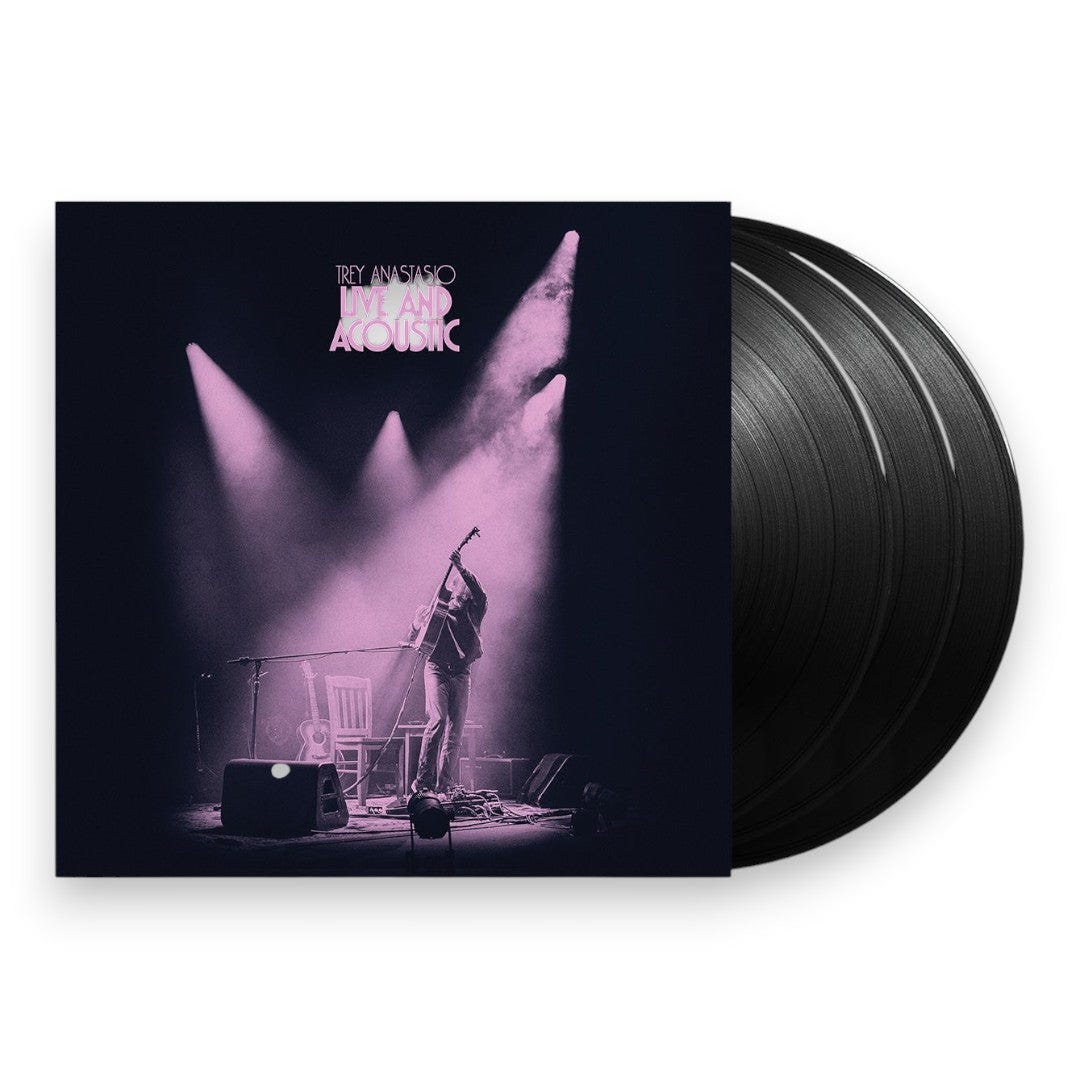
Trey Anastasio has spent decades building one of the most expansive and improvisationally driven catalogs in modern American music, yet Live and Acoustic arrives as a deliberate narrowing of that scope. It is not a retreat from scale so much as a disciplined examination of what remains when scale is removed. Recorded during his sold-out 2025 Spring Acoustic Tour and released a few weeks ago on Rubber Jungle Records, the album has already begun to find its way into rotation. It stands as a focused reworking of material that was never originally designed to exist in isolation. The result is not simply a quieter version of the same music, but a materially different interpretation.

What distinguishes this release is the degree to which the arrangements have been restructured rather than reduced. These performances do not rely on the improvisational elasticity that has long defined Anastasio’s live identity. Instead, they operate within fixed boundaries, forcing the compositions to resolve through structure rather than expansion. That shift exposes elements of the songwriting that are often secondary in full-band performances, including harmonic progression, melodic contour, and the pacing of lyrical delivery.

“Divided Sky” provides a clear example of this transformation. In its traditional form, the piece is built around contrast and scale, with composed passages giving way to extended improvisation. In this acoustic context, the absence of that expansion places the entire burden on the composition itself. The transitions become more precise, the phrasing more deliberate, and the emotional arc more contained. It becomes a study in how the piece functions at its core, rather than how far it can be extended.

“Stash” undergoes a similar recalibration. Known for its rhythmic complexity and its capacity for improvisational departure, it is presented here with a level of control that highlights its internal structure. The rhythmic tension remains, but it is expressed through phrasing rather than propulsion. The result is a version that emphasizes design over movement.

The most effective moments on Live and Acoustic emerge from the material that already leans toward emotional directness. “Waste,” “Miss You,” and “Lifeboy” are not transformed so much as clarified. Without the presence of a full ensemble, the performances rely entirely on vocal delivery and subtle instrumental support. There is no room for excess, and that limitation works in the songs’ favor. The emotional intent is carried without amplification, which ultimately makes it more convincing.

Other selections benefit from the increased visibility of their internal mechanics. “Pebbles and Marbles” reveals a level of compositional detail that is often diffused in larger arrangements. “Brian and Robert” and “Strange Design” are presented with a restraint that reinforces their narrative focus. “Secret Smile” and “Dirt” operate with a similar sense of balance, where the simplicity of the arrangement allows the songwriting to remain the primary point of engagement.

The inclusion of more recent material such as “Evolve,” “Oblivion,” and “A Little More Time” is not incidental. These songs integrate into the setlist without disruption, which suggests a continuity in Anastasio’s writing that extends beyond era or context. The implication is that the newer compositions are structurally aligned with the older material, capable of functioning within both expansive and minimal frameworks.

Live and Acoustic Tracklist:

  1. More
  2. A Little More Time
  3. Evolve
  4. Lost in the Pack
  5. Oblivion
  6. Stash
  7. Brian and Robert
  8. Hey Stranger
  9. Waste
  10. Snowflakes in the Sand
  11. Taste
  12. Miss You
  13. Billy Breathes
  14. Shade
  15. Petrichor
  16. Dirt
  17. Lifeboy
  18. Secret Smile
  19. Pebbles and Marbles
  20. Strange Design
  21. Divided Sky
  22. Mercy

Jeff Tanski’s role throughout the album is measured and essential. His piano work does not compete for attention but instead reinforces the harmonic direction of each piece. In many cases, he functions as a counterbalance, adding depth without altering the fundamental character of the performance. This restraint is central to the album’s effectiveness. The arrangements remain focused, and the interplay between guitar and piano is defined by precision rather than embellishment.

Producer Vance Powell approaches the recordings with a similar philosophy. The emphasis is on capturing the natural acoustic environment rather than reshaping it in post-production. The sound is defined by clarity and spatial integrity, allowing the listener to experience the performances as they occurred. This approach aligns with the broader intent of the project, which is to present the material without unnecessary intervention.

The significance of Live and Acoustic lies in what it reveals about the durability of Anastasio’s catalog. These songs are not dependent on scale, volume, or extended improvisation to maintain their impact. They function independently, supported by structure and intent. That is not a minor distinction. It positions the work as adaptable rather than fixed, capable of evolving without losing its identity.

This approach will carry directly into the 2026 acoustic tour, which extends the concept beyond the recording environment and into a live setting that prioritizes listening over spectacle. The routing reflects a deliberate emphasis on venues known for their acoustic integrity and audience engagement. The tour opens in Portland, Oregon and continues to Seattle’s Paramount Theatre before reaching Missoula, Montana for two nights at The Wilma. From there, it moves through Jackson, Wyoming and the Gerald R. Ford Amphitheater in Vail, Colorado, followed by performances in Minneapolis and Bayfield, Wisconsin.

The latter stop, at Big Top Chautauqua, introduces a distinct environmental element, with its proximity to Lake Superior contributing to the overall atmosphere of the performance. The tour then proceeds to Toronto’s Massey Hall, a venue with a long-standing reputation for hosting artists in settings that emphasize clarity and presence. It concludes with two nights at The Capitol Theatre in Port Chester, New York, a location closely associated with Anastasio’s extended live history and one that provides a fitting endpoint for a tour built on reflection and precision.

The structure of this run suggests that the performances will not be interchangeable. These are rooms that demand attention to detail, both from the artist and the audience. The expectation is not volume or scale, but engagement. That distinction matters. It shifts the focus from performance as event to performance as communication.

Tickets for the tour will be available through a real-time presale beginning Tuesday, March 17 at 10AM local venue time via official presale access, with general on-sale starting Friday, March 20 at 10AM local time. Based on the response to the 2025 acoustic tour, demand is expected to be immediate and sustained, particularly in markets where venue capacity is intentionally limited.

Ultimately, Live and Acoustic does not attempt to redefine Trey Anastasio as an artist. It refines the framework through which his work is understood. By removing the variables that have traditionally defined his live performances, the album forces a closer examination of the material itself. What it reveals is a catalog that is structurally sound, emotionally direct, and capable of sustaining attention without reliance on expansion.

The 2026 tour will extend that examination into a live context, where the same principles will be tested in real time. If the album is an argument for the strength of the songwriting, the tour will serve as its verification.

ACOUSTIC TOUR 2026
May 26 Portland, OR
May 27 Seattle, WA
May 29 Missoula, MT
May 30 Missoula MT
May 31 Jackson, WY
June 3 Vail, CO
June 13 Minneapolis, MN
June 14 Bayfield, WI
June 19 Toronto, ON
June 20 Buffalo, NY
June 23 Port Chester, NY
June 24 Port Chester, NY 

AP26087734033916

Bruce Springsteen’s Acoustic Performances Highlight Current Global Live Music Landscape with Live Acoustic Performances Across Global Tours, Venues and on Unplugged Live!

Unplugged Live: April 2026

As of April 6, 2026, the live music landscape is experiencing a clear and measurable shift back toward stripped-down performance, where arrangement, songwriting, and vocal delivery take precedence over production scale. Across theaters, churches, listening rooms, and curated performance spaces, acoustic and “unplugged-style” shows are not functioning as side projects or nostalgic throwbacks—they are emerging as a central format for artists at every level. From legacy figures reinterpreting their catalogs to modern touring acts reshaping how audiences engage with live music, the current cycle reflects a renewed emphasis on clarity, intimacy, and musicianship.

At the forefront of this movement is Robert Plant, whose ongoing tour with Saving Grace continues to redefine what a late-career live presentation can look like. Performing with vocalist Suzi Dian, the project is rooted in acoustic arrangements that draw from folk, Americana, and reinterpretations of traditional material. Tonight’s performance at the Count Basie Center for the Arts in Red Bank, New Jersey, followed by a performance at the Cathedral of St. John the Divine, places this approach in venues that emphasize acoustics, atmosphere, and listener focus. These are not scaled-down versions of arena shows; they are deliberately structured performances designed for environments where nuance matters.

That same philosophy is shaping anniversary-driven touring as well. Soul Asylum has returned to the acoustic format to mark three decades since its original unplugged-era work, delivering a series of performances built around stripped-back arrangements. Their upcoming shows at The Vogel on April 16 and in Saratoga Springs later in the month reflect a broader pattern in which legacy acts are revisiting pivotal moments in their catalog through reinterpretation rather than replication. This is not about recreating the past—it is about reframing it for a different type of listening experience.

The contemporary acoustic circuit is equally active, with Gillian Welch and David Rawlings setting a high standard through their “Acoustic Reckoning” tour. Their recent performances, including extended setlists featuring both new material and deep catalog selections, have been defined by precision, restraint, and an emphasis on live musicianship. In an environment where setlist depth and arrangement detail matter more than spectacle, this tour is functioning as a benchmark for how acoustic performance is evolving in 2026.

Newly announced touring also reflects this direction. Darius Rucker has introduced a 20-date U.S. run built around songwriting and storytelling, with a format that frequently leans into stripped-down arrangements. This type of presentation aligns with the broader shift toward performances that prioritize narrative and connection over production, offering audiences a more direct engagement with the material.

The role of acoustic performance within the global live music landscape continues to be defined not by scale, but by immediacy, clarity, and direct connection between artist and audience. Across major tours, one-off appearances, and politically and culturally significant events, stripped-down performances remain a consistent and powerful format for delivering both new material and reinterpreting existing work. Few recent examples illustrate that more clearly than Bruce Springsteen’s acoustic performances of “Streets of Minneapolis,” a song that has quickly become central to his current live presence.

The most prominent performance to date took place on March 28, 2026, at the Minnesota State Capitol in St. Paul during the “No Kings” rally, where Springsteen appeared alone with an acoustic guitar and harmonica in front of a crowd estimated at over 200,000 people. Introduced by Minnesota Governor Tim Walz, the performance was positioned as a focal moment within a larger national protest event. Before beginning the song, Springsteen addressed the crowd directly, referencing the events that inspired the track and setting the tone for what followed. The performance itself was marked by sustained audience engagement, including a coordinated chant that carried through the grounds as the song progressed. In that setting, the acoustic format was not a stylistic choice—it was a functional one, allowing the message of the song to carry without distraction or production.

The origin of “Streets of Minneapolis” traces back to its initial live debut on January 30, 2026, at the First Avenue club, where Springsteen appeared as an unannounced guest during Tom Morello’s Concert of Solidarity & Resistance to Defend Minnesota. Performed in the same solo acoustic format, the song was introduced only days after it was written, in direct response to the fatal shootings of two city residents. That early performance established the structure and tone that would define subsequent versions—minimal instrumentation, direct vocal delivery, and a focus on lyrical clarity.

In the weeks that followed, the song continued to appear in similar acoustic settings, including a performance at Riverside Church on March 23, where Springsteen again presented the material in its most stripped-down form. That approach has remained consistent even as the song has been incorporated into a broader touring context. When performed with the E Street Band during the current arena run, including the tour kickoff at the Target Center on March 31, the arrangement expands significantly, introducing a full-band dynamic that contrasts sharply with the solo acoustic versions. The distinction between these presentations is not subtle. The acoustic performances are defined by immediacy and directness, while the full-band versions operate within the scale and structure of a traditional arena show.

That contrast has become one of the defining elements of Springsteen’s current live approach. While the tour itself is structured as a full-band production, recent performances have consistently incorporated acoustic moments that shift the tone and pacing of the show. This was evident again during a recent television appearance marking the 30th anniversary of Democracy Now!, where Springsteen joined Patti Smith and Michael Stipe for a stripped-down set built around vocal performance and minimal instrumentation.

The current tour schedule continues to reflect that balance. Springsteen performed in Portland on April 3, with the show drawing attention following a medical emergency in the crowd, and is scheduled to appear at the Kia Forum on April 7. Additional dates bring the tour into the Northeast later this month, including April 20 at the Prudential Center, May 8 in Philadelphia, and multiple nights at Madison Square Garden. Within those performances, the inclusion of acoustic segments continues to serve as a structural counterpoint to the larger production, reinforcing the role of stripped-down arrangements within a broader live framework.

Separate from the touring schedule, developments on April 6 added a more somber note, as Springsteen shared that he is “heartbroken” following the death of a former bandmate. Details surrounding the situation remain limited, but the statement reflects the ongoing personal dimension that continues to intersect with his public work.

Taken together, these performances and appearances provide a clear view of how acoustic presentation functions within the current live environment. It is not defined by venue size or format, but by its ability to deliver material with clarity and directness, whether in front of a crowd of hundreds in a club or hundreds of thousands in a public setting. In Springsteen’s case, the consistency of that approach—from First Avenue to the State Capitol steps to arena stages—demonstrates how acoustic performance remains a central tool for both artistic expression and communication.

Within the broader scope of live music in 2026, this model continues to hold relevance. Acoustic sets are not limited to specific genres or formats; they are integrated into tours, special appearances, and standalone events, offering a different kind of engagement that complements larger productions rather than replacing them. The current cycle reflects that balance clearly, with artists using stripped-down performance as a way to present new material, revisit existing work, and connect with audiences in a more direct way.

As the schedule continues to unfold through the spring and into the summer, that role is unlikely to change. Acoustic performance remains a constant presence across the global touring landscape, defined not by trend, but by its continued use as a practical and effective format for live music.

Beyond individual artists, the unplugged format is being expanded through curated experiences and tribute-based productions that reinterpret the concept for new audiences. The ongoing “Unplugged: A Tribute to MTV” tour brings a rotating set of performances across the East Coast, including scheduled stops at The Queen and Jergel’s Rhythm Grille, recreating the stripped-back aesthetic that defined an earlier era while updating it for current touring environments. At the same time, the “90s Unplugged” candlelight concert series introduces a chamber-style interpretation of acoustic music, with string quartet arrangements presented in immersive settings such as the Media Theatre. These formats demonstrate how the unplugged concept continues to evolve, moving beyond a single format into multiple performance models.

At the regional level, the density of acoustic programming across New Jersey and the surrounding area underscores how deeply this format has embedded itself into local touring circuits. In addition to Robert Plant’s Red Bank performance, venues across the region are hosting a range of acoustic events that reflect both stylistic diversity and audience demand. The Atlantic Mandolin Quartet will bring a classical chamber approach to the Zlock Performing Arts Center, while “Harvest & Rust,” a Neil Young-focused acoustic performance, will take place at the Newtown Theatre. Songwriter-driven performances, including an intimate set from Loretta Hagen at the Spanish Pavillion, continue to reinforce the importance of listening-room environments where audience attention is as much a part of the performance as the music itself.

The digital landscape is also contributing to this resurgence. Platforms such as NPR Tiny Desk have become a modern benchmark for stripped-down performance, with recent sessions from artists like Sarah McLachlan, Jill Scott, and Mumford & Sons drawing significant attention. These recordings are not simply promotional content—they are functioning as widely consumed examples of how acoustic performance can be presented in a contemporary context, often reaching audiences that traditional touring alone cannot access.

Simultaneously, physical releases are reinforcing the connection between past and present. Soul Asylum’s decision to issue a double-vinyl release of its unplugged-era material for Record Store Day adds another layer to its current tour, linking live performance with collectible formats that continue to hold value for dedicated listeners.

Taken together, the current state of unplugged and acoustic performance in 2026 reflects a broader recalibration within live music. As large-scale productions continue to dominate certain segments of the industry, there is an equally strong movement toward performances that prioritize clarity, space, and direct connection. Artists are not abandoning scale—they are complementing it with formats that allow their material to exist in a different, often more revealing, context.

For audiences, this shift offers something increasingly rare: the opportunity to engage with music without mediation. No elaborate staging, no excessive production layers—just the song, the voice, and the room. And as April unfolds, that approach is not only sustaining itself—it is expanding, redefining what it means to experience live music in its most essential form.