The most important movement in live music today is not being driven by larger stages, bigger video walls, artificial intelligence, or increasingly elaborate concert productions. Instead, it is being fueled by something far simpler and infinitely more powerful: artists picking up acoustic instruments, stripping away the noise, and allowing songs to stand on their own.
Epiphone’s Hummingbird Tribute Brings One of Acoustic Music’s Most Enduring Legends to a New Generation of Songwriters. Few acoustic guitars have achieved the level of recognition enjoyed by the Hummingbird. Long before social media, streaming platforms, and digital recording transformed the music business, the Hummingbird became a symbol of songwriting itself. It appeared in recording studios, on arena stages, in rehearsal spaces, and around kitchen tables where songs were first brought to life. It became an instrument associated not simply with performers, but with creators—artists whose careers were built on melody, storytelling, and the enduring power of an acoustic guitar.
Now, Epiphone is introducing a new chapter in that legacy with the arrival of the Hummingbird Tribute, an acoustic guitar designed to honor one of the most celebrated instruments ever produced while making its character, style, and spirit accessible to a new generation of players.
For the audience that follows Unplugged Live, this release represents something larger than a new guitar launch. It reflects the continuing resurgence of acoustic performance culture and the growing demand for instruments that connect players to the traditions that helped shape modern music. At a time when singer-songwriters, folk artists, Americana performers, acoustic rock musicians, and independent creators are rediscovering the emotional power of stripped-down performance, the Hummingbird remains one of the most recognizable voices in the acoustic world.
The original Hummingbird earned its reputation not through marketing campaigns or industry hype, but through decades of real-world use by artists who trusted it as a songwriting companion and performance tool. Its distinctive square-shouldered dreadnought design became instantly recognizable, while its warm tonal response made it equally effective in intimate writing sessions and large-scale live performances.
Over the years, the instrument found its way into the hands of some of music’s most influential artists. Songwriters, rock legends, country stars, folk performers, and alternative musicians all embraced the Hummingbird because of its versatility and unmistakable character. Its sound became part of the DNA of countless recordings and live performances that continue influencing musicians today.
The new Hummingbird Tribute embraces that history while acknowledging the realities of modern players. Rather than attempting to create a museum piece, Epiphone has focused on delivering an instrument that captures the essence of the original while remaining approachable for musicians at every stage of their journey.
Visually, the guitar immediately establishes its connection to the legendary model that inspired it. The iconic square-shouldered dreadnought silhouette remains intact, preserving one of the most recognizable acoustic profiles ever designed. The shape itself has become synonymous with acoustic music, instantly evoking decades of recordings and performances that helped define popular culture.
The Hummingbird Tribute pairs a layered spruce top with layered mahogany construction, a combination that delivers warmth, balance, and consistency. The tonal character is designed to feel familiar from the first strum, offering the kind of rich, woody response that acoustic players often seek whether they are writing songs, performing live, or simply playing for enjoyment.
What makes the Hummingbird particularly important within unplugged music culture is its ability to sit naturally within a mix while still maintaining a distinct personality. Great acoustic guitars do not overwhelm a performance—they enhance it. The Hummingbird’s voice has always excelled at supporting vocals, complementing songwriting, and creating a sense of musical space that allows melodies and lyrics to breathe.
That characteristic becomes increasingly valuable in an era where acoustic performance continues gaining momentum. Audiences are gravitating toward stripped-back presentations, songwriter showcases, intimate livestreams, and unplugged sessions because they create a direct connection between artist and listener. Instruments that support that kind of communication become more important than ever.
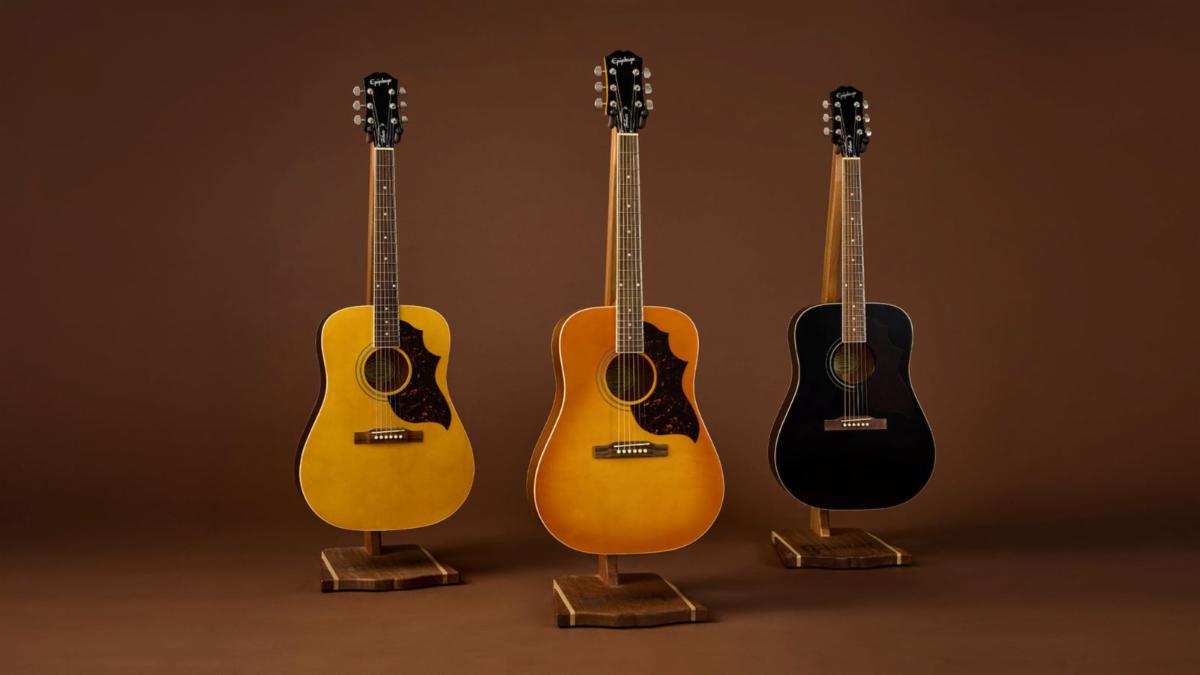
The Hummingbird Tribute also demonstrates a strong attention to detail in its design language. Antique ivory-style binding creates a visual nod to classic craftsmanship, while the laurel reverse-belly bridge and compensated saddle reinforce the guitar’s traditional acoustic identity. The tortoise-shell-style pickguard retains the unmistakable Hummingbird aesthetic that has become one of the most recognizable visual elements in guitar history.
For many musicians, however, playability ultimately matters more than appearance. This is where the Hummingbird Tribute positions itself particularly well. The glued-in mahogany neck features a Rounded C profile designed for comfort and accessibility. Whether a player is learning their first chords, developing songwriting techniques, or performing several hours each night, the neck profile aims to provide a comfortable and familiar playing experience.
The laurel fingerboard offers a smooth playing surface with 20 frets, allowing easy movement across the instrument while maintaining a traditional acoustic feel. Classic dot inlays, vintage-inspired binding, and a Kalamazoo-style headstock further reinforce the guitar’s connection to a lineage that stretches across generations of acoustic music.
Reliability remains another important factor for modern musicians, particularly those who regularly perform live. Dependable die-cast tuners help ensure tuning stability, while subtle details such as the engraved Tribute truss rod cover create a visual connection to the instrument’s historical inspiration without becoming excessive or distracting.
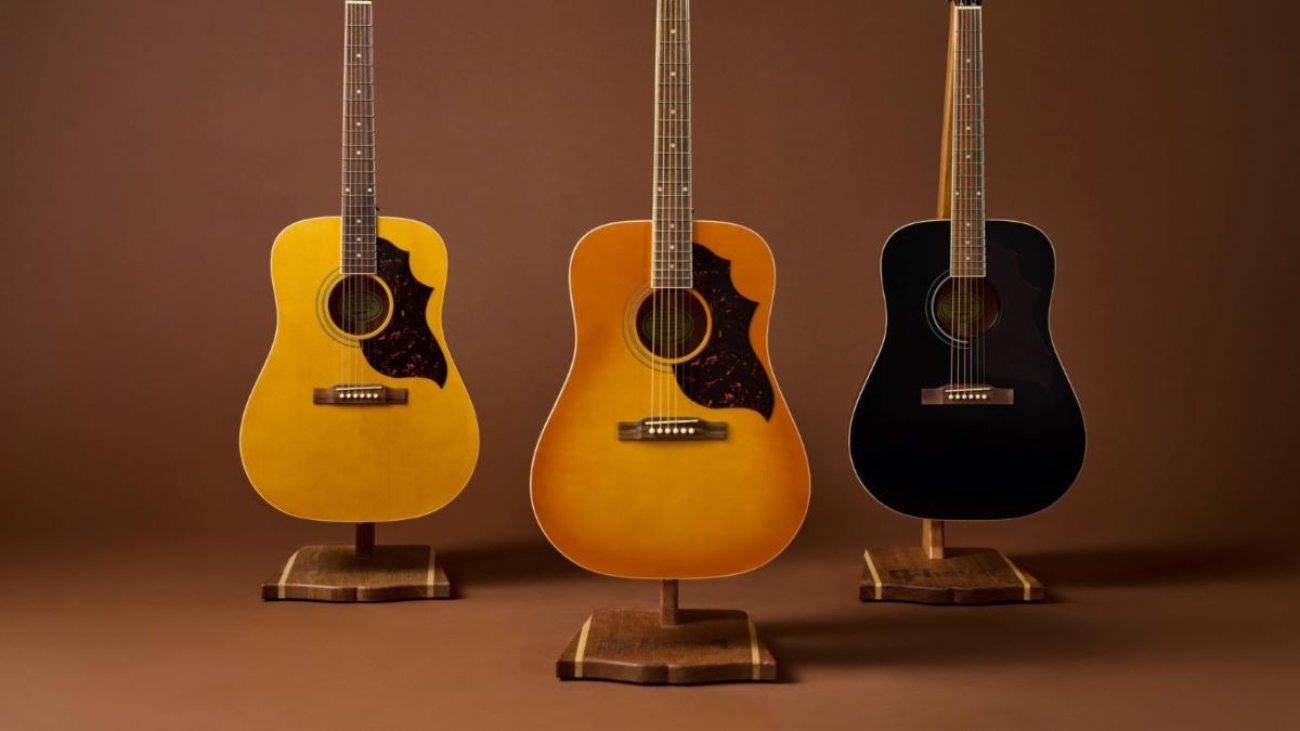
The release also recognizes that today’s players value personal expression. To that end, the Hummingbird Tribute is available in three distinctive finishes: Antique Natural, Ebony, and Heritage Cherry Sunburst. Each offers a different visual interpretation of the model while preserving the timeless character that has defined the Hummingbird for decades. The Heritage Cherry Sunburst finish, perhaps the most closely associated with the instrument’s historic identity, is also available in a left-handed configuration, further expanding accessibility for players.
What makes this launch particularly relevant in 2026 is the broader context surrounding acoustic music itself. Across the industry, there is renewed enthusiasm for unplugged performance, songwriting-focused artistry, and acoustic authenticity. Artists are increasingly returning to stripped-down arrangements. Audiences are embracing intimate venues and listening-room environments. Vinyl collectors are rediscovering classic acoustic recordings. Streaming platforms are highlighting live sessions that emphasize musicianship over production.
The Hummingbird exists at the center of that movement because it represents something timeless. It is an instrument associated with songs rather than trends. It carries a legacy built on creativity, storytelling, and emotional expression rather than technological novelty.
That is why the release of the Hummingbird Tribute feels especially significant. It is not simply introducing another acoustic guitar into an already crowded marketplace. It is extending the life of an instrument that helped shape the sound of modern songwriting and placing that experience within reach of a new generation of players.
For aspiring artists, it offers a pathway into a lineage connected to some of the most influential recordings and performances in music history. For experienced musicians, it provides a familiar voice rooted in decades of acoustic tradition. And for anyone who believes that great songs begin with a guitar, a melody, and an idea worth sharing, it serves as a reminder that some instruments never lose their relevance.
As acoustic music continues its resurgence across live stages, recording studios, festivals, listening rooms, and songwriter circles around the world, the Hummingbird remains exactly what it has always been: a companion for the creative journey.
The songs may change. The artists certainly will. The audiences will continue evolving.
But the enduring relationship between a songwriter and an acoustic guitar remains one of music’s most powerful traditions, and the Epiphone Hummingbird Tribute ensures that tradition will continue inspiring musicians for years to come.
Across the music industry, 2026 is rapidly emerging as a defining year for unplugged performance. Rock legends are revisiting acoustic formats that helped shape their careers. Songwriters are reinventing catalogs through intimate arrangements. Vinyl collectors are driving renewed interest in classic live recordings. Independent artists are finding audiences through stripped-down performance videos rather than expensive promotional campaigns. Everywhere you look, the acoustic experience is once again becoming one of the most influential forces in modern music.
For Unplugged Live, this moment represents more than a trend. It reflects a fundamental shift in how audiences are connecting with music itself. Fans increasingly want performances that feel honest, immediate, and emotionally transparent. They are gravitating toward artists who can command a room with little more than a guitar, a voice, and a great song.
Few recent performances illustrate that reality more vividly than the viral moment that unfolded when Foo Fighters surprised audiences with a live performance of “Jesus Wants Me for a Sunbeam,” paying direct tribute to one of the most iconic acoustic performances in rock history.
The significance of the moment extended far beyond a simple cover song. The arrangement intentionally echoed the version made famous during Nirvana’s legendary 1993 appearance on MTV Unplugged in New York, creating an emotional bridge between two eras of rock history that remain permanently connected through the legacy of Dave Grohl.
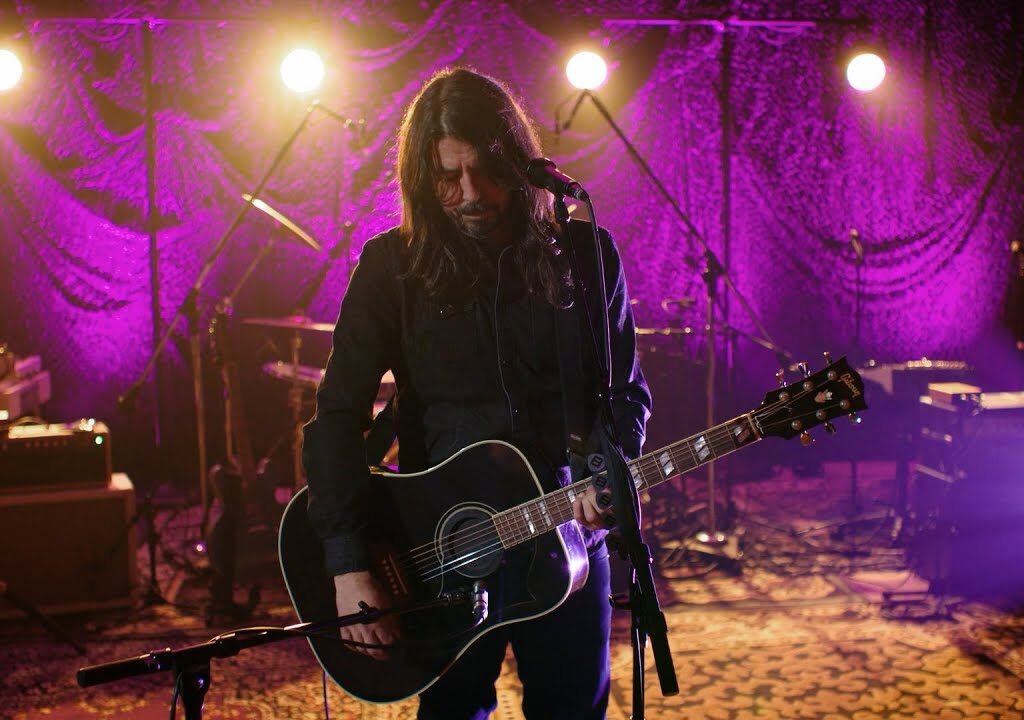
For many fans, the performance felt like a living reminder of why the MTV Unplugged era continues holding such a powerful place in music culture. The song itself became secondary to what it represented: a return to vulnerability, musicianship, and the emotional intimacy that acoustic performance uniquely provides. Across rock communities, music forums, and social media conversations, the response was immediate. What could have been a nostalgic exercise instead became a celebration of how enduring great unplugged performances remain decades later.
At the same time, another legendary artist is proving that acoustic reinvention can still surprise audiences even after a lifetime of experimentation.
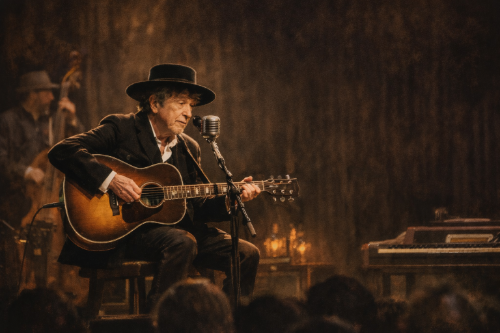
Bob Dylan has once again confounded expectations during the latest leg of his Rough and Rowdy Ways tour by embracing a predominantly acoustic approach that transforms familiar material into something entirely new. Rather than relying on established arrangements, Dylan has reportedly introduced radically reimagined versions of songs from both his recent catalog and deeper cuts that longtime fans never expected to hear revisited in this format.
What makes Dylan’s acoustic direction especially fascinating is that it reinforces one of the defining characteristics of unplugged performance: reinvention. Acoustic music is rarely about duplication. It is about rediscovery. Without the framework of full-band arrangements, songs often reveal dimensions that remained hidden for years. Melodies shift. Lyrics gain prominence. Rhythms breathe differently. Audiences hear familiar material through entirely new perspectives.
That willingness to reexamine songs continues making acoustic performance one of the most creatively fertile spaces in live music.
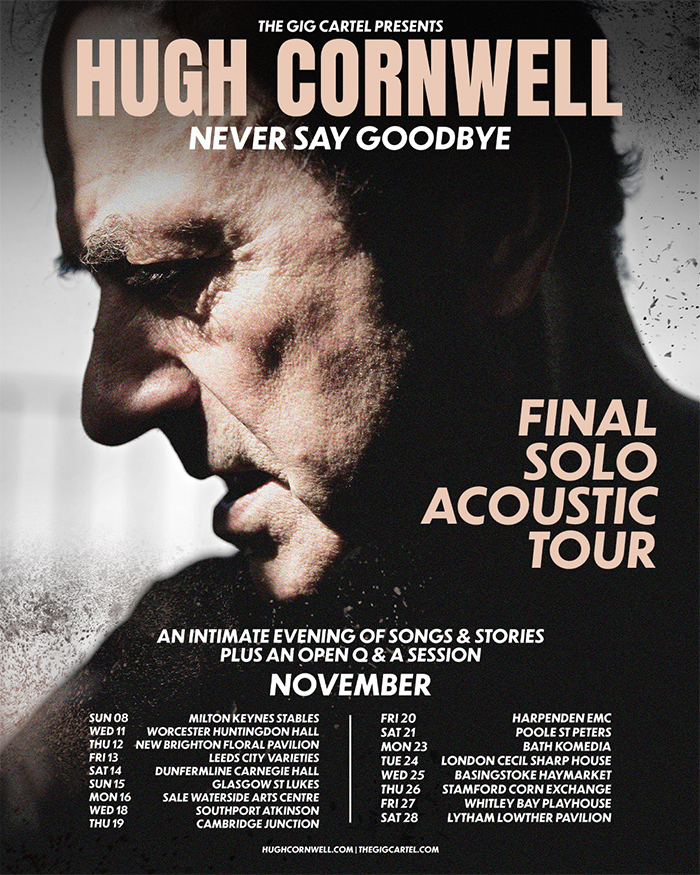
The same philosophy is driving one of the most anticipated farewell tours in recent memory. Hugh Cornwell, the former frontman of The Stranglers, has announced what is being billed as his final solo acoustic tour. Aptly titled Never Say Goodbye, the run will feature stripped-down interpretations of songs spanning decades of punk and new wave history.
What separates this tour from many farewell announcements is its intimacy. Rather than building around large-scale production, Cornwell is embracing a format centered on storytelling, audience interaction, and open discussion. The inclusion of live question-and-answer segments creates an environment where performance and conversation merge into a single experience.
That growing emphasis on audience connection has become one of the defining characteristics of the unplugged resurgence. Fans are increasingly interested in understanding the stories behind songs, not just hearing them performed.
Beyond touring, acoustic music continues generating significant momentum within the vinyl and collector communities.
The expanding Bluesville Acoustic Sound Series is one of the strongest examples. New high-fidelity analog editions of landmark blues recordings from Albert King and Eddie Kirkland demonstrate how acoustic-centered listening experiences continue attracting serious attention from collectors and audiophiles alike.
These releases are not simply archival projects. They reflect a broader movement toward intentional listening. As streaming services provide access to virtually every recording ever made, physical formats have increasingly become a destination for listeners seeking depth, quality, and immersion. Acoustic and blues recordings often benefit most from that experience because their subtleties remain central to the performance itself.
The growing interest in contemporary acoustic blues further underscores this trend. Emerging artists continue expanding the genre’s reach while maintaining its emotional core. Among the names attracting significant attention is Paul Louis Villani, whose expressive fingerstyle approach and deeply rooted acoustic sound have generated increasing recognition among critics and fans alike.
His rise illustrates another important reality about today’s acoustic movement: younger audiences are not simply rediscovering classic formats. They are actively participating in their evolution.
Perhaps the clearest evidence of the unplugged renaissance, however, can be found in the growing number of events built entirely around acoustic performance culture.
One of the most intriguing developments is the launch of UNPLUG’D, a new live production dedicated to celebrating the history and cultural impact of MTV Unplugged. Rather than functioning as a traditional tribute concert, the production combines live performance with storytelling, exploring the behind-the-scenes moments that transformed a simple television concept into one of the most influential music franchises ever created.
The format acknowledges something many fans have long understood: the true legacy of MTV Unplugged was never the staging or production. It was the atmosphere. It created a space where artists could reveal different sides of themselves, often producing career-defining performances in the process.
That spirit also lives on through independent platforms such as the rapidly growing Sugarshack Sessions movement. By filming artists in natural outdoor environments and focusing almost entirely on performance rather than production, Sugarshack has become one of the most compelling examples of how acoustic content is evolving in the digital age.
Recent performances from groups such as Sneezy demonstrate how even large ensemble acts can successfully translate their energy into intimate acoustic settings. Funk, jam, and improvisational music thrive in these environments because audiences can hear the interaction between musicians more clearly. The result feels less like content and more like a front-row seat to the creative process itself.
Taken together, these developments point toward something much larger than a temporary trend. The acoustic movement is not returning because audiences are nostalgic. It is returning because listeners increasingly value authenticity, craftsmanship, and emotional immediacy in a music industry often dominated by excess.
The artists may come from different genres. The venues may range from intimate listening rooms to major theaters. The formats may include vinyl reissues, livestream sessions, acoustic tours, or festival appearances.