
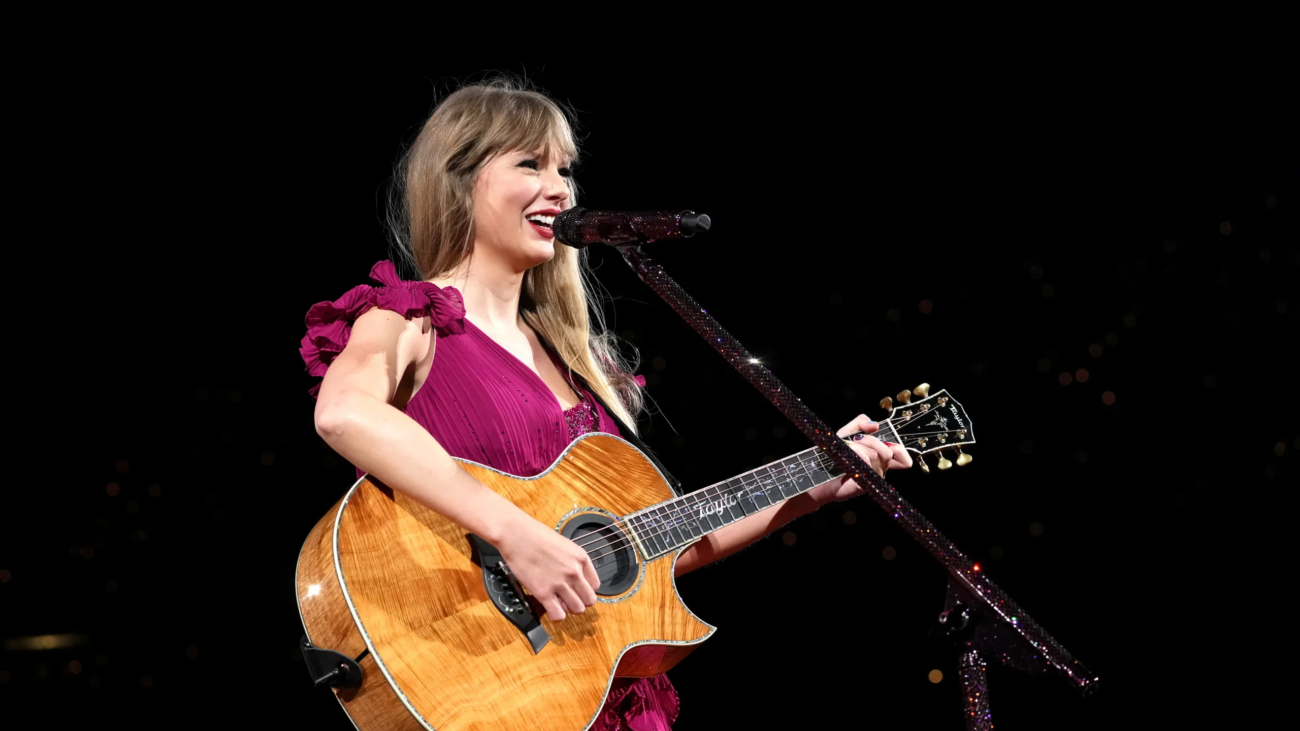
For years, the music industry seemed locked in an endless pursuit of bigger productions, larger festival stages, more elaborate visuals, and increasingly complex concert experiences. Yet as 2026 continues unfolding, one of the most significant developments in live music is emerging from the exact opposite direction. Around the world, audiences are embracing stripped-down performances, intimate storytelling, acoustic musicianship, and the timeless connection between artist and listener that can only be achieved when the distractions disappear.
What began as a renewed appreciation for unplugged performance has evolved into something much larger. The acoustic movement is no longer a niche within the music business. It is becoming a global phenomenon. From North America to Europe, from India to Australia, from South Korea to South America, artists are finding that audiences are responding to authenticity, songwriting, and musicianship with an enthusiasm not seen since the height of the MTV Unplugged era.
For Unplugged Live, the story of 2026 is becoming increasingly clear: acoustic music is no longer experiencing a revival. It is establishing itself as one of the dominant forces shaping the future of live performance.

One of the strongest indicators of this momentum can be found in the growing number of major artists building international touring strategies around acoustic-centered experiences. Few recent announcements have captured that trend more clearly than the ambitious global plans unveiled by Soul Asylum. Long celebrated for blending alternative rock energy with emotionally resonant songwriting, the group is embarking on an extensive international run tied to its upcoming MPLS Unplugged project.
The significance of the tour extends far beyond a new live album. By bringing an unplugged format to audiences throughout the United Kingdom, Europe, and South America, the band is participating in a larger movement that is redefining how legacy artists engage with contemporary audiences. Acoustic performance allows songs to evolve. Without the familiar framework of amplified arrangements, listeners often hear compositions in entirely new ways. Lyrics gain greater prominence. Melodies reveal hidden textures. Emotional nuance becomes impossible to ignore.
The early stops of the tour have already demonstrated that audiences remain deeply invested in hearing familiar catalogs through a different lens. Venues that once primarily hosted full-production rock performances are increasingly welcoming acoustic presentations that prioritize storytelling and musicianship over spectacle. It is a shift that reflects changing audience expectations across multiple generations.
That same international appeal continues driving the ongoing success of Colin Hay. Best known as the voice behind Men at Work, Hay has spent years proving that great songs can thrive long after their original era has passed. His current touring schedule spans multiple continents, balancing acoustic band performances with appearances alongside Ringo Starr and the All-Starr Band.
What makes Hay’s continued popularity particularly noteworthy is the way he bridges generations of listeners. His acoustic performances do not rely on nostalgia alone. Instead, they emphasize craftsmanship, wit, storytelling, and a deeply human stage presence that resonates regardless of when audiences first discovered his music. In many ways, he embodies the enduring power of unplugged performance itself: songs stripped back to their essential elements remain timeless.
Meanwhile, a new generation of international artists is proving that acoustic music is no longer centered around traditional industry hubs. One of the most compelling examples is Anuv Jain, whose rise from India’s independent music scene into a global touring force reflects the increasingly borderless nature of acoustic culture.

Jain’s success is built on principles that would feel familiar to songwriters from any era. Honest lyrics, intimate arrangements, and emotional transparency remain at the center of his work. Yet his audience spans continents. Performances across India, Europe, Australia, and the Middle East have demonstrated that acoustic storytelling transcends language and geography. Listeners respond to authenticity regardless of where it originates.
This globalization of acoustic performance may ultimately become one of the defining stories of the decade. For much of modern music history, acoustic culture was heavily associated with a handful of cities and regions. Nashville, London, Los Angeles, New York, and a select group of creative centers largely dictated the direction of the genre. Today, that model is rapidly changing.

The recent partnership between Epiphone and South Korean artist Lee Seung Yoon offers a perfect illustration of this shift. The launch of the LSY-200 Studio EC signature acoustic model signals more than a new guitar release. It represents the recognition that modern acoustic innovation is increasingly being driven by artists operating far beyond traditional Western music centers.
South Korea’s independent music community, India’s singer-songwriter movement, Australia’s thriving acoustic festival circuit, and Europe’s expanding folk and unplugged scenes are all contributing to a more diverse and globally connected acoustic culture than ever before. The result is an environment where innovation can emerge from anywhere.
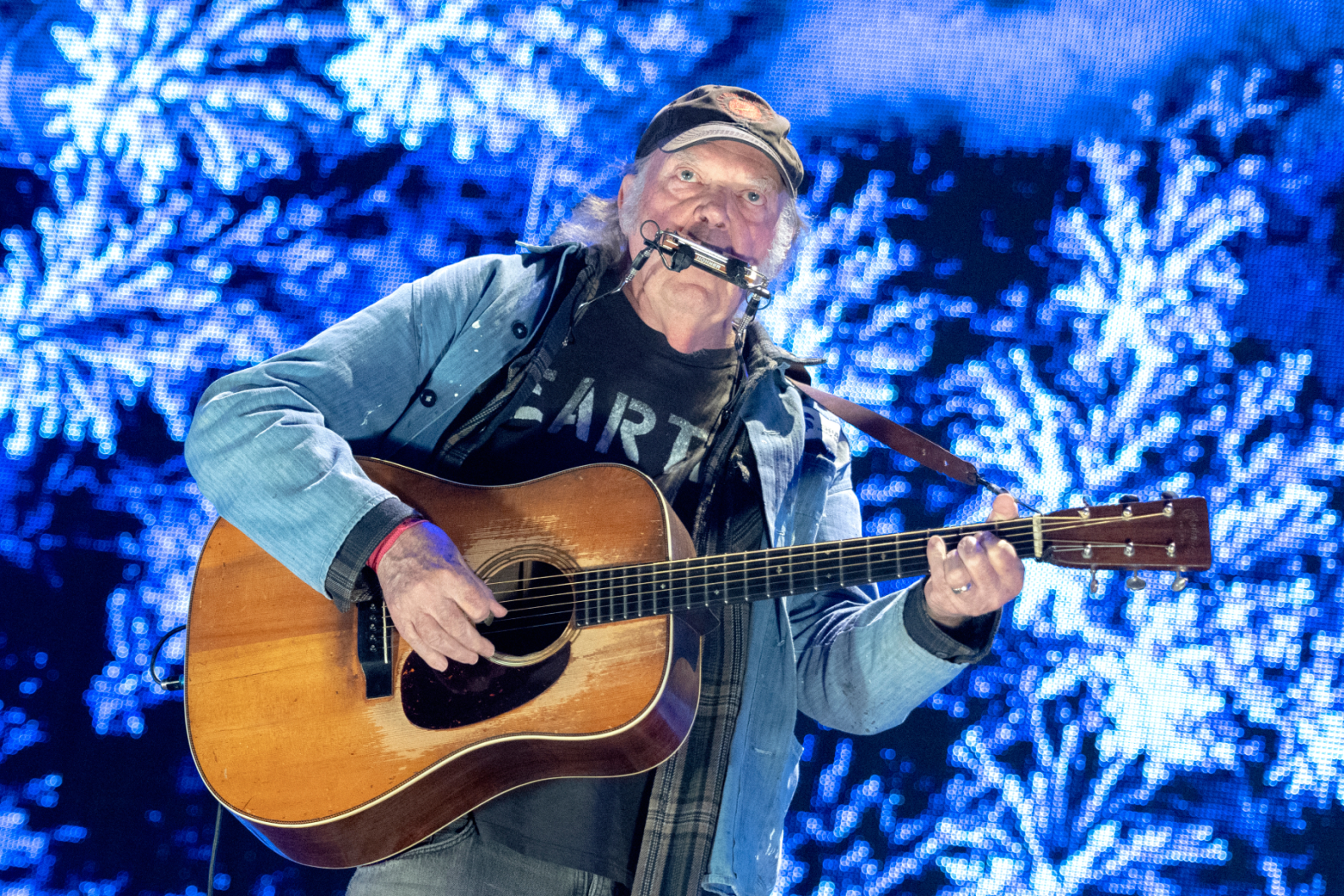
Another major catalyst for the acoustic resurgence arrived unexpectedly through a surprise appearance by Neil Young. His stripped-down performance in Vancouver quickly became one of the most discussed moments in live music this year, generating renewed enthusiasm among fans who value raw, production-free performance.

The significance of the performance extended beyond the songs themselves. It reminded audiences why acoustic music continues holding such power. There is an immediacy to a solo artist with a guitar that remains difficult to replicate through any amount of technology. The emotional connection feels direct. The performance feels personal. Every lyric and every note carries additional weight because there is nowhere for either artist or audience to hide.
That same emotional connection is helping fuel another fascinating development within the broader unplugged landscape: the rapid growth of tribute and experiential events built around classic acoustic performances. Across Europe, Australia, and North America, audiences are increasingly embracing productions that revisit the defining moments of the 1990s unplugged era.
These events are not simply tribute concerts. They function as cultural celebrations of a period when acoustic performance briefly became the center of mainstream music. Re-creations of iconic sets associated with artists like Nirvana, Oasis, and Radiohead are attracting audiences eager to reconnect with an era when vulnerability and musicianship became commercial strengths rather than niche interests.
The popularity of these experiences reveals something important about modern audiences. People are not simply nostalgic for the music itself. They are nostalgic for the feeling those performances created. The intimacy. The unpredictability. The sense that something real was happening in the room.
Even at the local level, the acoustic movement continues gaining momentum. Across New Jersey and throughout the Northeast, singer-songwriters, coffeehouse performers, house-concert networks, and small venue operators are helping sustain a thriving grassroots unplugged culture. Artists such as Lisa Marie continue drawing audiences to intimate performances in communities where acoustic music remains a vital part of local culture rather than a specialized niche.
These smaller performances may not generate international headlines, but they remain essential to the health of the acoustic ecosystem. Every major movement in music begins locally. Acoustic music, perhaps more than any other genre, depends on community spaces where songs can be heard clearly and audiences can engage directly with performers.
Taken together, these developments point toward a remarkable conclusion. Acoustic music is no longer operating as a reaction against modern music culture. It is becoming an integral part of it. Major artists are embracing unplugged formats. International performers are expanding acoustic audiences across continents. Vinyl collectors are rediscovering classic live recordings. New instruments are being designed around the needs of contemporary acoustic musicians. Tribute productions are celebrating the format’s history while introducing it to younger listeners.
Most importantly, audiences continue showing up.
In an era dominated by digital noise, endless content streams, and increasingly fragmented attention spans, acoustic music offers something increasingly rare: focus. It asks listeners to slow down, pay attention, and engage with the song itself.
That simple proposition is proving remarkably powerful.
As 2026 continues unfolding, the global unplugged movement shows no signs of slowing. If anything, it is accelerating. The stages may be different. The artists may come from every corner of the world. The genres may continue evolving and blending in unexpected ways.
But the core appeal remains exactly the same as it has always been.
A voice. A guitar. A song worth hearing.
And right now, the entire world seems ready to listen.