Something remarkable is happening across the live music landscape in 2026, and it is unfolding far away from pyrotechnics, backing tracks, algorithm-driven singles, and hyper-produced spectacle. Acoustic music is not simply resurging—it is reasserting itself as one of the most culturally powerful forces in modern performance. From surprise appearances by legendary artists to sold-out theater tours, vinyl revivals, intimate songwriter showcases, and stripped-down festival sets, the unplugged format is experiencing a level of momentum that feels both nostalgic and entirely new at the same time.
For Unplugged Live, this moment represents far more than a passing cycle in the industry. It signals a broader recalibration of audience priorities. Listeners are increasingly gravitating toward performances that feel immediate, vulnerable, and human. The appetite for stripped-back arrangements and emotionally transparent songwriting continues growing because audiences want connection again. They want to hear voices breathe. They want imperfections. They want storytelling. They want performances that feel lived-in instead of engineered.
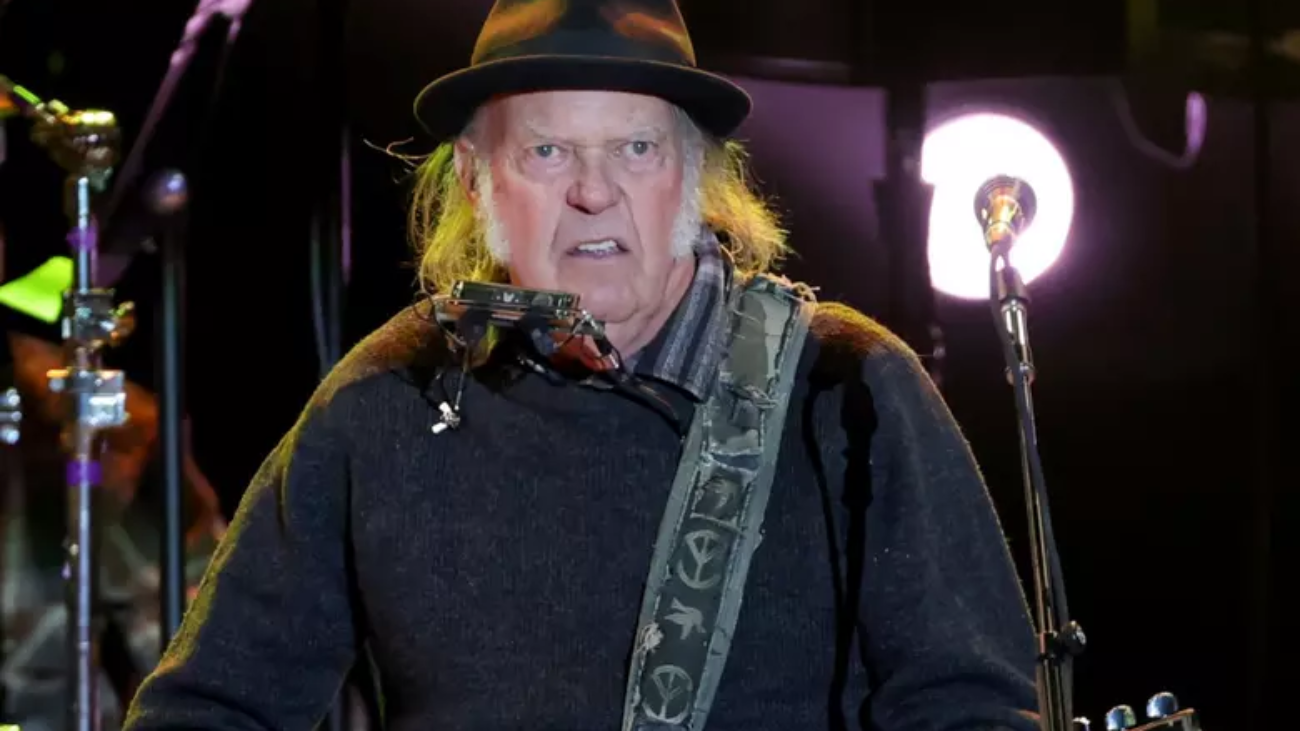
No recent moment captures that shift more powerfully than the unexpected return of Neil Young.
After earlier cancelations sidelined his planned 2026 live appearances, Young quietly re-emerged on May 22 with a completely acoustic performance during environmental activist David Suzuki’s 90th birthday celebration in Vancouver. There was no oversized production rollout. No carefully manufactured comeback campaign. No visual excess competing with the music itself. Sitting behind piano and acoustic guitar, Young delivered raw versions of “After the Gold Rush” and “Heart of Gold” that reminded audiences why stripped-down performance continues carrying such emotional weight decades after those songs first entered the cultural bloodstream.
What made the appearance resonate so strongly was not merely the rarity of the performance—it was the atmosphere surrounding it. Acoustic music changes the relationship between audience and artist because it removes distance. Without volume and spectacle acting as intermediaries, songs land differently. Lyrics feel more exposed. Melodies feel more fragile. Time itself seems to slow down.
That same philosophy is now driving a major wave of acoustic-centered touring across multiple generations and genres.
Jack Johnson recently announced his expansive “Surfilmusic” tour, a global acoustic-focused run that further reinforces how singer-songwriter-driven performance remains commercially and culturally vital. The inclusion of Hermanos Gutiérrez as special guests is especially significant because it highlights another important evolution within acoustic music itself: instrumental storytelling is once again thriving. Their atmospheric guitar interplay, cinematic textures, and deeply organic arrangements perfectly complement Johnson’s laid-back but emotionally resonant performance style.
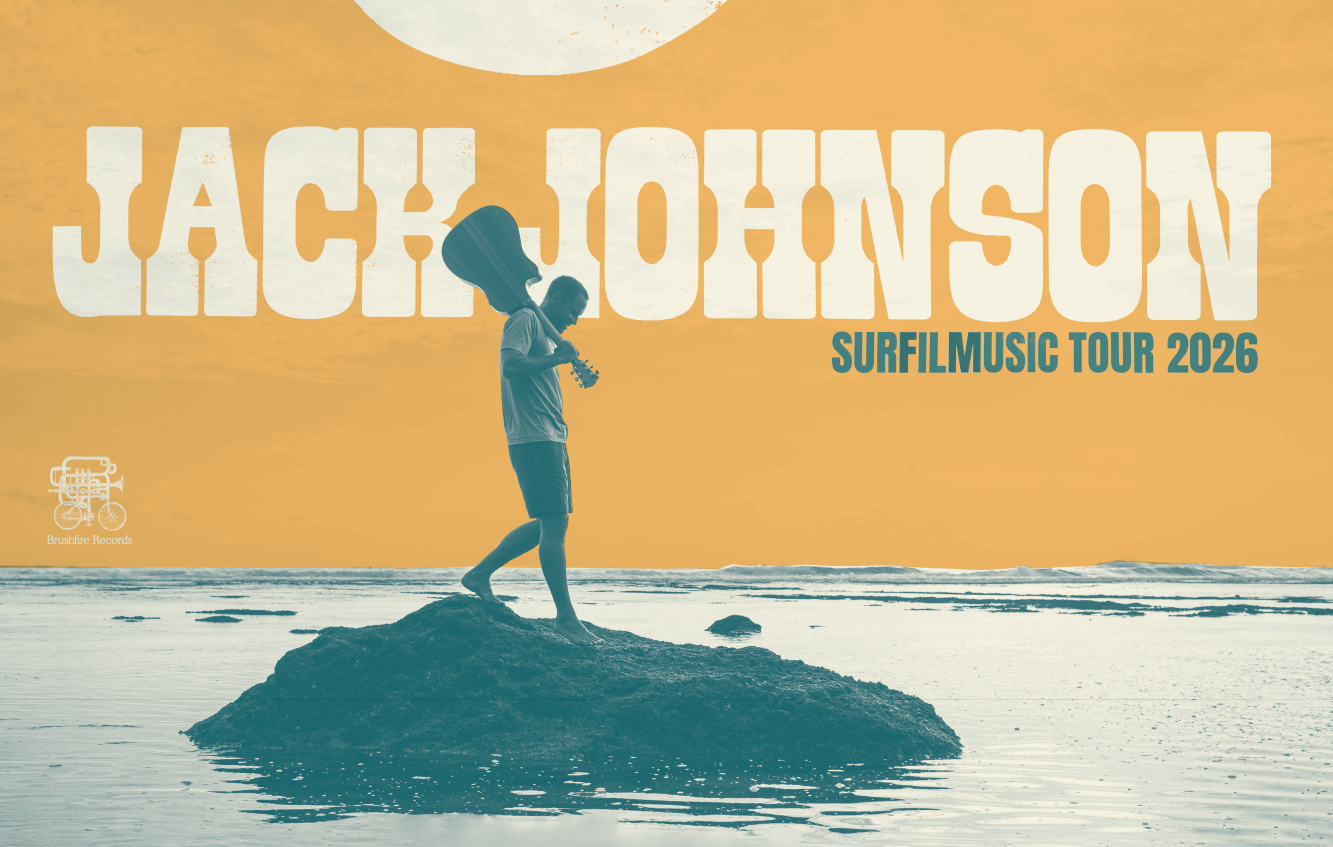
The tour’s routing through iconic venues such as the Hollywood Bowl underscores how large-scale outdoor performance spaces are increasingly embracing acoustic-centered experiences. That shift would have seemed commercially risky in another era, but today audiences are actively seeking immersive, emotionally grounded live environments that prioritize musicality over excess.

At the same time, groups like Punch Brothers continue demonstrating how technically advanced acoustic instrumentation can thrive within contemporary touring culture. Their 2026 tour has become one of the year’s most respected live acoustic runs, blending progressive bluegrass, chamber music precision, jazz complexity, and improvisational energy into performances that challenge assumptions about what acoustic music can accomplish structurally and emotionally.
Their upcoming appearance at Mayo Performing Arts Center is generating particular excitement throughout the Northeast live music scene because it represents the growing appetite for serious acoustic musicianship in theater and performing arts environments. Audiences are not simply attending these performances casually—they are actively engaging with the craft itself.
That same intimacy drives the continued rise of artists like Flagship Romance, whose extensive acoustic tour across listening rooms and smaller venues reflects another major trend currently shaping the unplugged world: audiences increasingly value closeness over scale. Folk clubs, songwriter spaces, and acoustically tuned venues are experiencing renewed importance because they allow performances to unfold conversationally rather than competitively.
This broader resurgence is not confined solely to current touring culture. Classic unplugged recordings themselves are experiencing remarkable new life through physical media revivals and vinyl reissues.
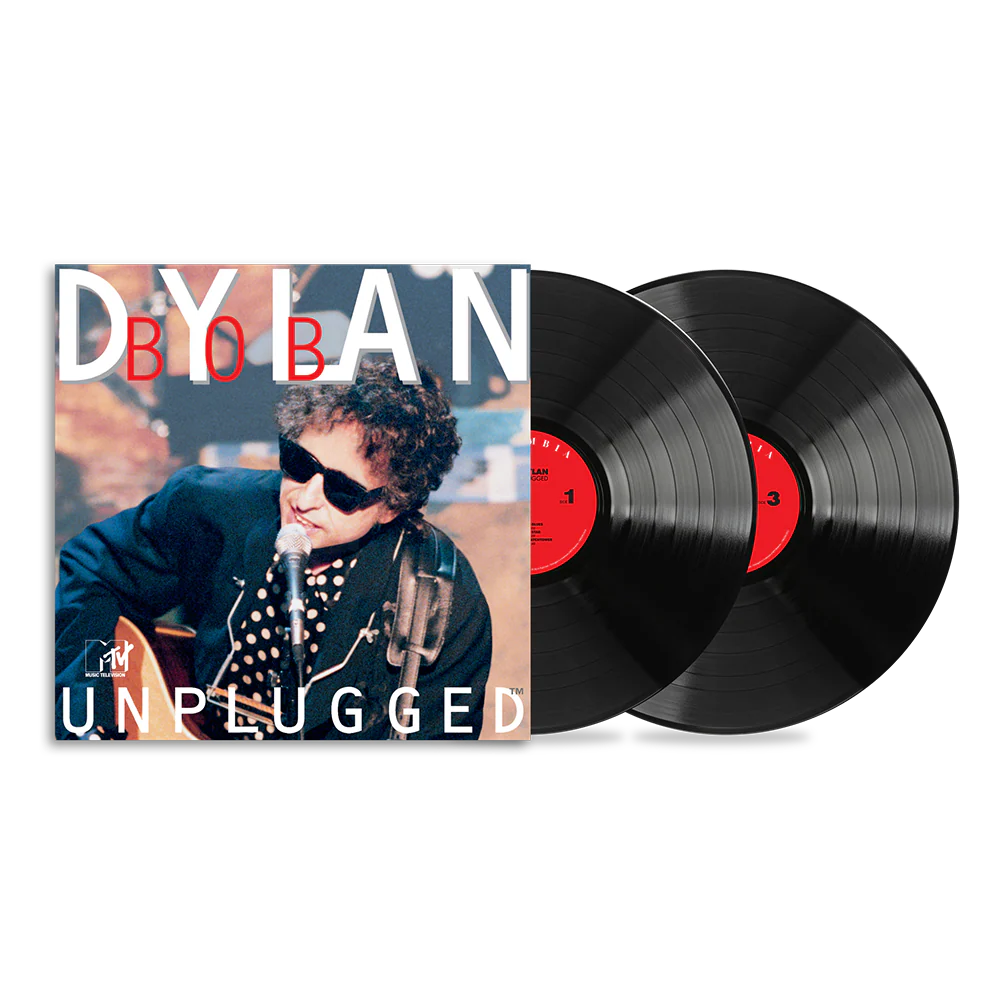
One of the most fascinating examples arrived through Bob Dylan’s legendary MTV Unplugged release, which unexpectedly surged back onto major United Kingdom charts three decades after its original recording. The renewed popularity of the album reveals something important about today’s listening habits: audiences are rediscovering acoustic recordings not merely as nostalgia pieces, but as timeless documents of performance authenticity.
The album’s reemergence across vinyl and physical album rankings also reflects the growing overlap between acoustic culture and collector culture. Vinyl listeners increasingly gravitate toward unplugged recordings because the format itself complements the intimacy and warmth associated with stripped-down music. Acoustic albums feel tactile. Personal. Intentional. In many ways, they represent the opposite of disposable digital listening culture.
That same phenomenon helped fuel renewed interest in Tony Bennett’s celebrated MTV Unplugged session, which recently returned through a highly sought-after double-LP reissue tied to Record Store Day celebrations. Bennett’s performance remains one of the definitive examples of how acoustic presentation can transcend genre entirely. Jazz, pop standards, and vocal performance all converged within a stripped-down environment that emphasized phrasing, musicianship, and emotional clarity above everything else.
The renewed success of these releases reinforces a larger reality: unplugged music is aging extraordinarily well because authenticity itself never becomes outdated.
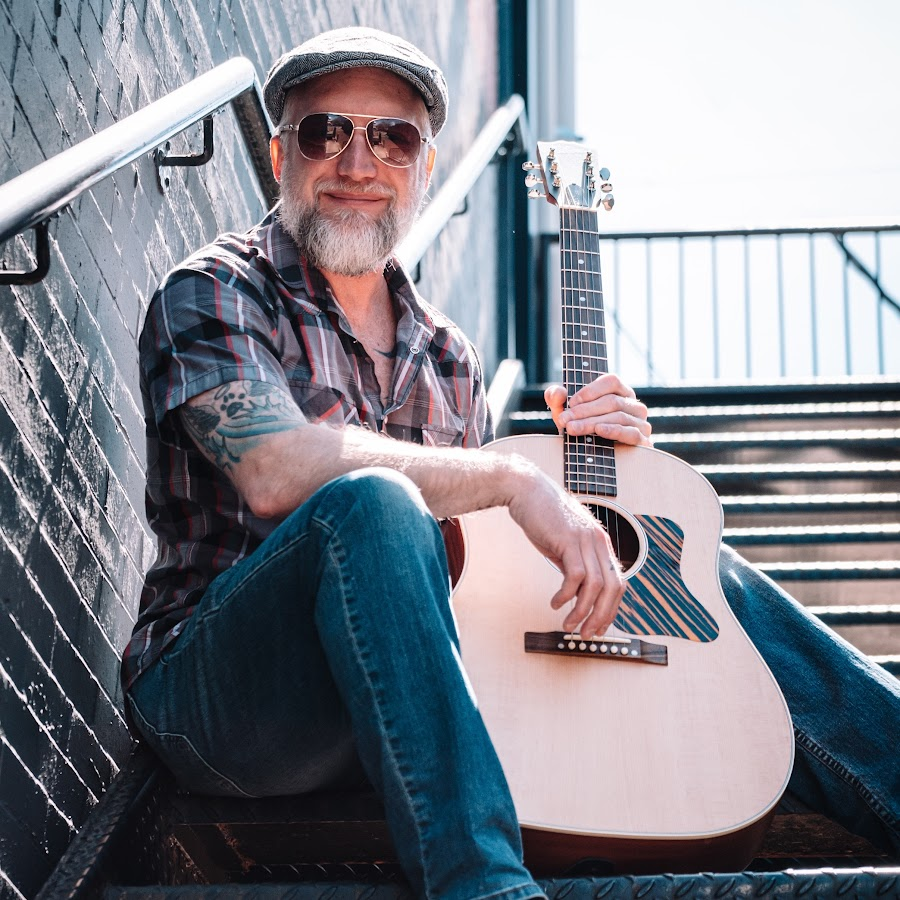
That momentum is also becoming increasingly visible on regional and local levels, particularly throughout areas like South Jersey, where acoustic-driven live performance continues thriving in bars, outdoor spaces, and community-centered venues.
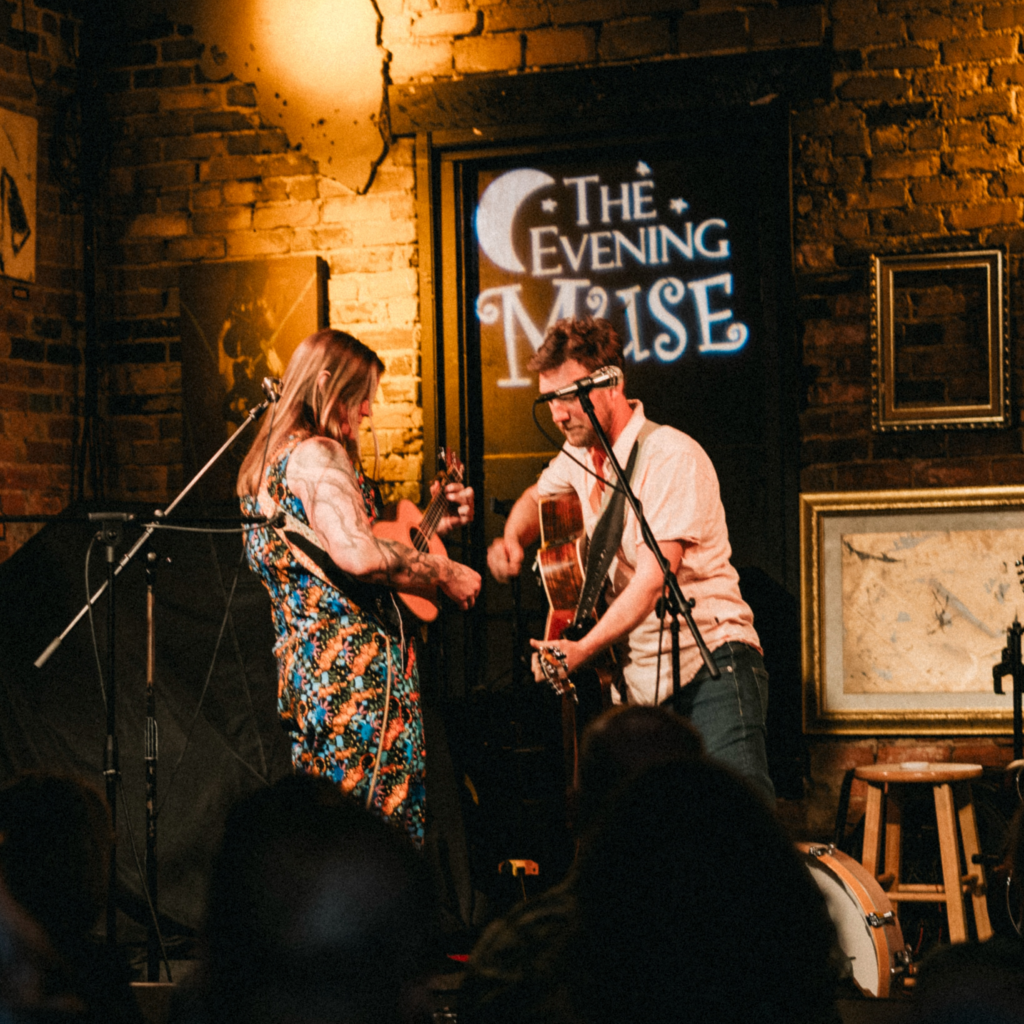
Artists such as Dave Cudrak continue building strong regional followings through energetic acoustic sets that blend roots rock, stripped-down classics, and original material into highly interactive live experiences. His upcoming performance at Dunleavy’s highlights how acoustic music remains deeply woven into local nightlife culture across New Jersey.
Likewise, Chris Greiner’s scheduled outdoor performance at Shipman Mansion reflects another growing movement within acoustic performance culture: outdoor community concerts built around atmosphere, songwriting, and connection rather than commercial spectacle.
These regional performances matter because they represent the foundation beneath the larger unplugged resurgence. Acoustic music has always thrived locally before it expands globally. It begins in listening rooms, small theaters, outdoor lawns, coffeehouses, and community venues before moving outward into larger cultural consciousness.
What makes this current moment particularly fascinating is how all these worlds are now intersecting simultaneously. Legacy icons are returning to stripped-down performance. Younger artists are building careers through acoustic authenticity. Vinyl collectors are rediscovering classic unplugged sessions. Regional venues are embracing songwriter-driven programming again. Streaming audiences are increasingly seeking intimate live sessions over hyper-produced visual content.
The result is not simply an acoustic revival.
It is a recalibration of what audiences value in live music itself.
The industry spent years pursuing scale, speed, and digital saturation. But increasingly, listeners are rediscovering something much older and much more durable: a voice, an instrument, and a room willing to listen carefully.
That remains the true power of unplugged music. It strips performance back to the essentials and asks a very simple question: does the song still matter when everything else disappears?
Right now, across every level of the music world, the answer appears to be yes.